Craft
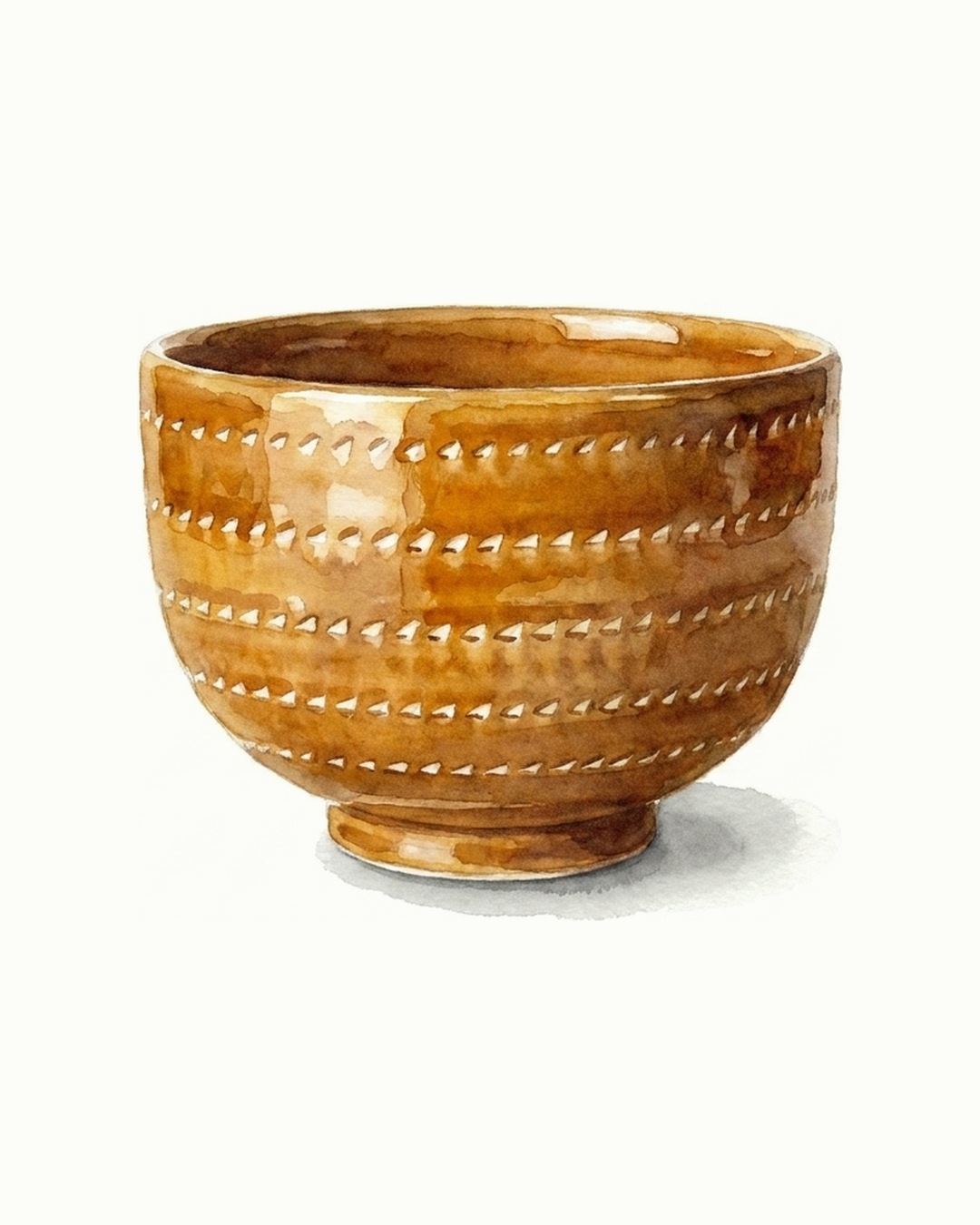
Koishiwara Ware小石原焼
A folk pottery fired since the early Edo period in Toho, Fukuoka, at the foot of Mt. Hikosan. Its face is the tobikanna chatter and hakeme…
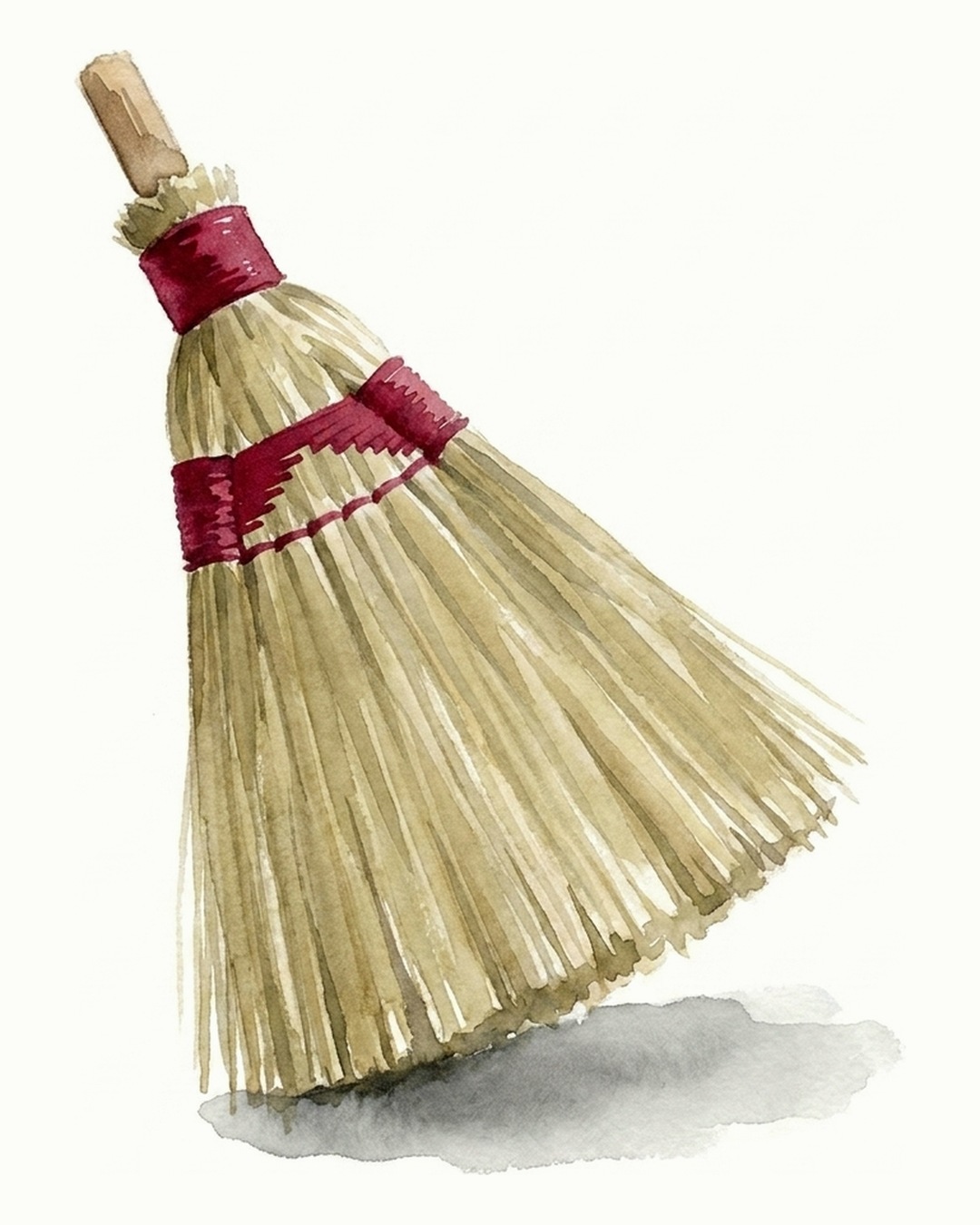
Nakatsu Broom中津箒
A zashiki (parlor) broom made in Nakatsu, Aikawa, Kanagawa since the late Edo period. Broomcorn grown in the village's own fields is bound by hand, house…
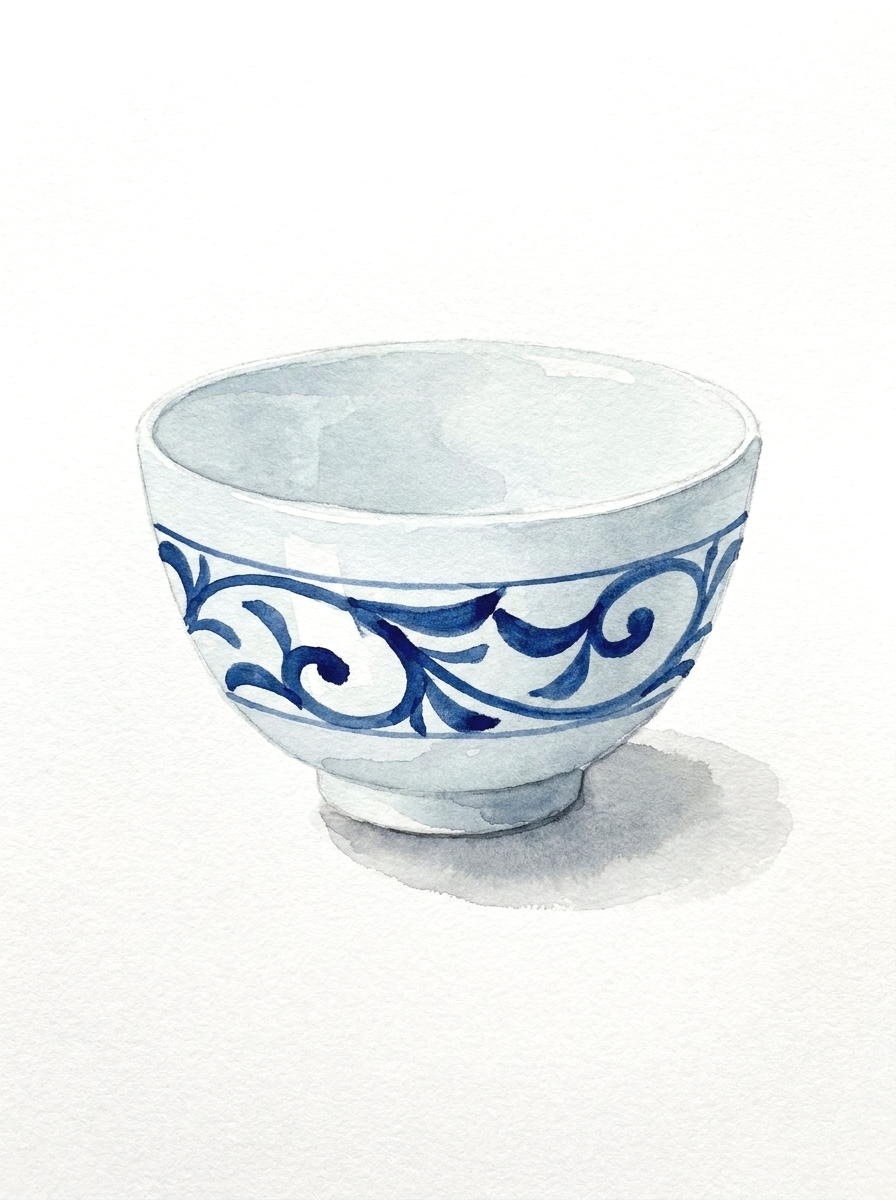
Tobe Ware砥部焼
In the whetstone town of Tobe, Ehime, porcelain was first fired in 1777 using stone waste. Thick, sturdy white porcelain painted with free cobalt-blue arabesque and…
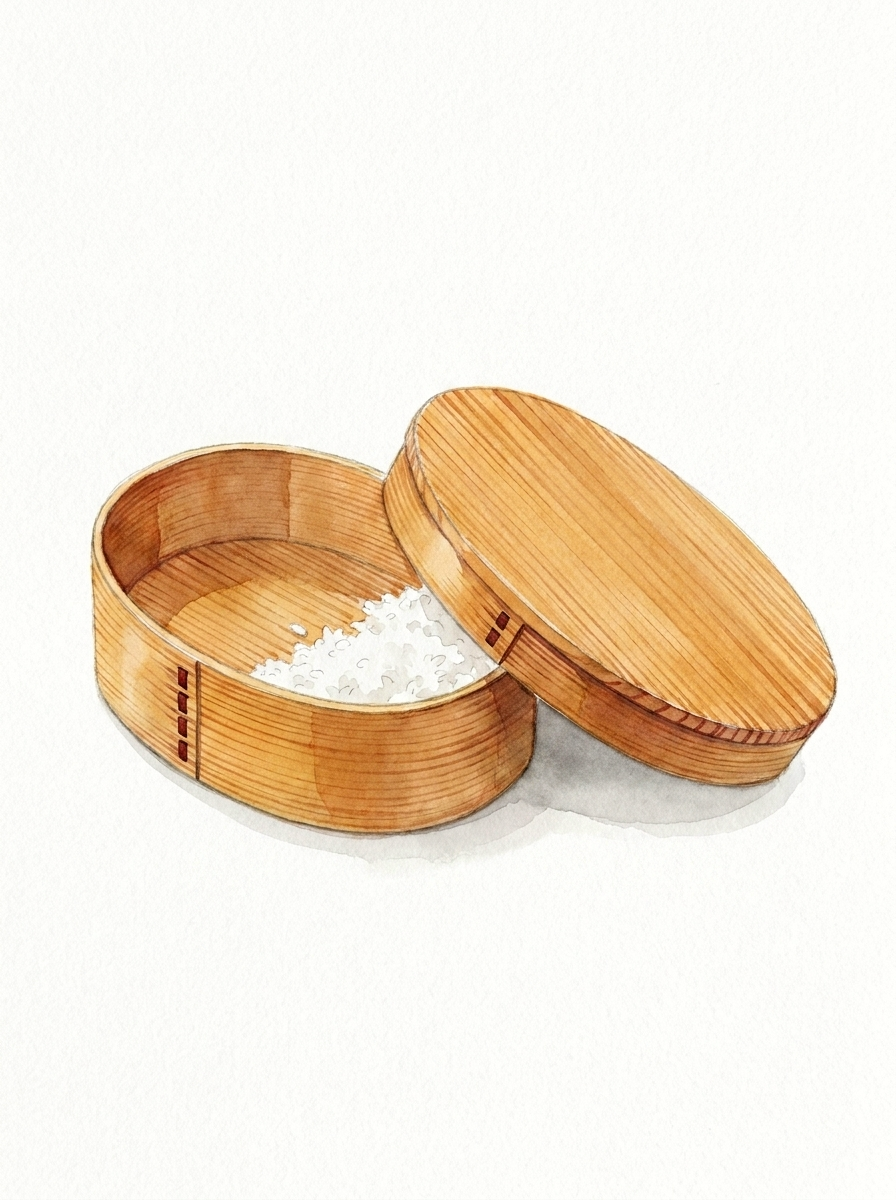
Odate Magewappa大館曲げわっぱ
Bentwood from Odate, Akita: straight-grained natural Akita cedar shaved thin, simmered, hand-bent, and sewn with wild-cherry bark — no metal, no glue. A cedar ohitsu regulates…
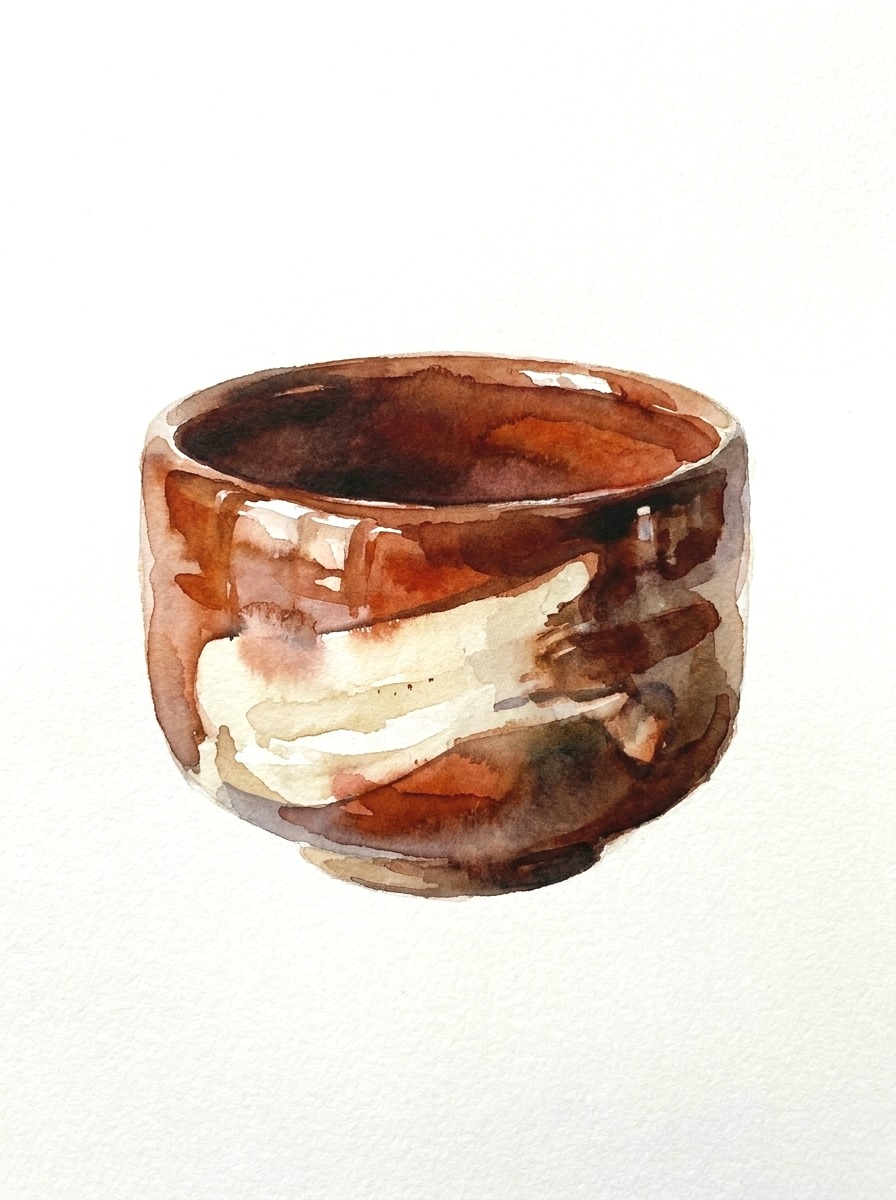
Mashiko-yaki益子焼
The everyday pottery of Mashiko, Tochigi. Begun by Otsuka Keizaburo and made the 'town of mingei' by Hamada Shoji — thick daily ware where a bold…
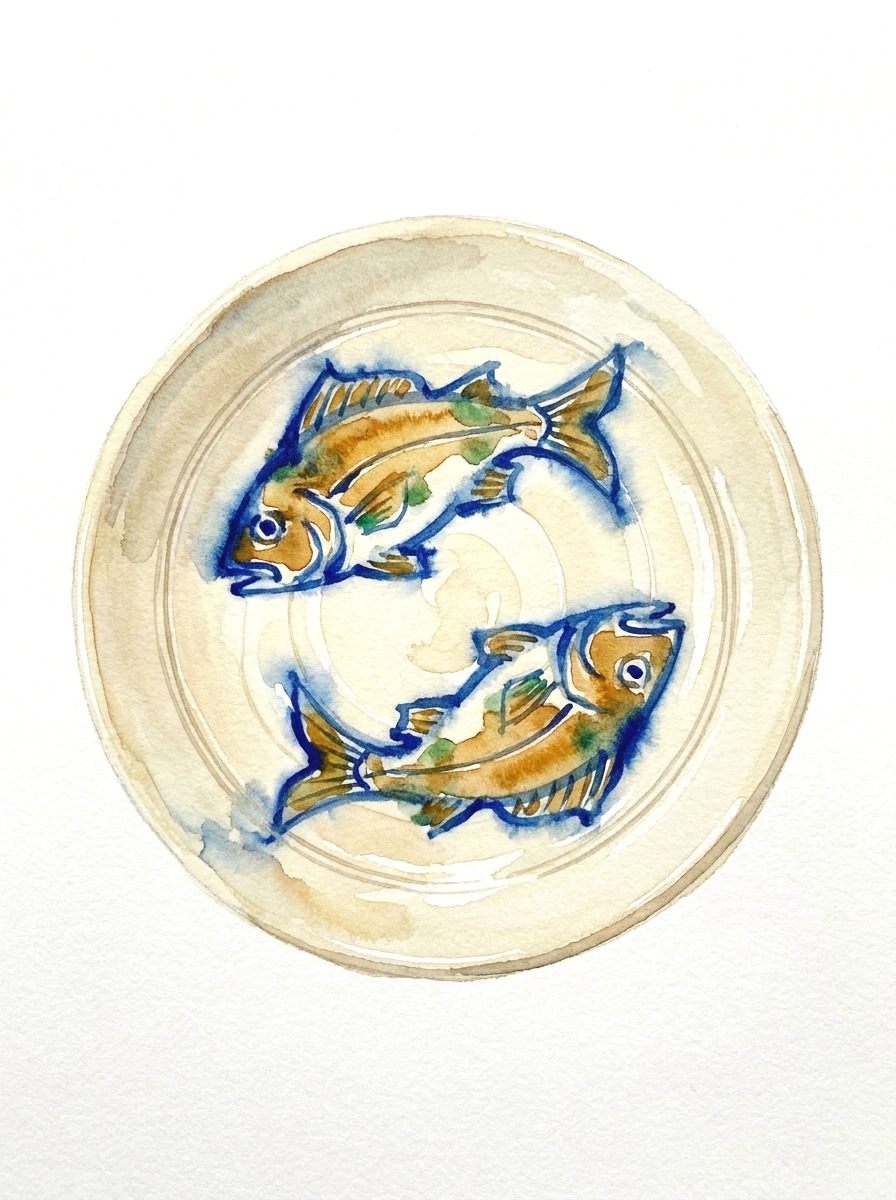
Tsuboya-yaki壺屋焼
The pottery of Tsuboya in Naha, Okinawa. Born in 1682 when three kilns were merged; split into unglazed arayachi and painted jouyachi. Its emblem is the…
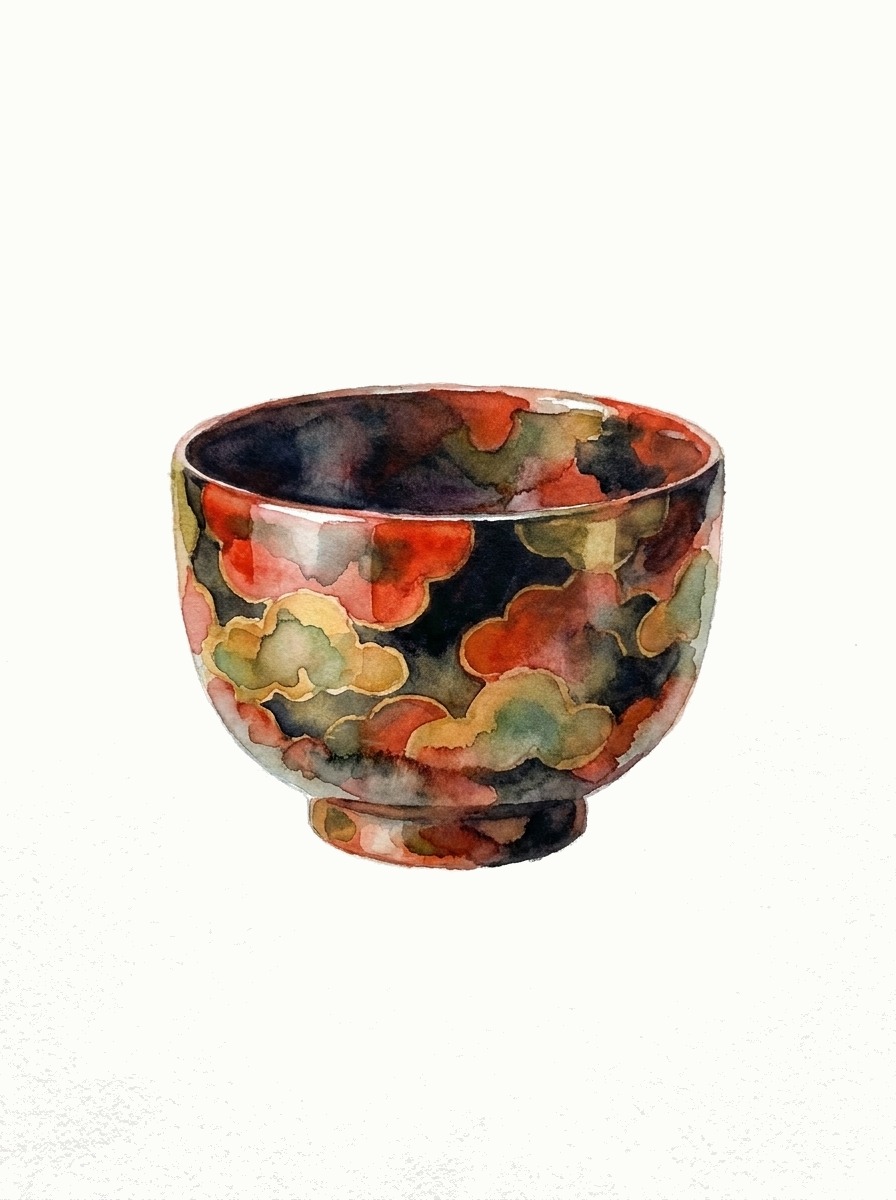
Tsugaru-nuri津軽塗
A lacquerware of Hirosaki. Its 'karanuri' pattern emerges only when dozens of built-up coats of coloured urushi are ground back — so painstaking it earned the…
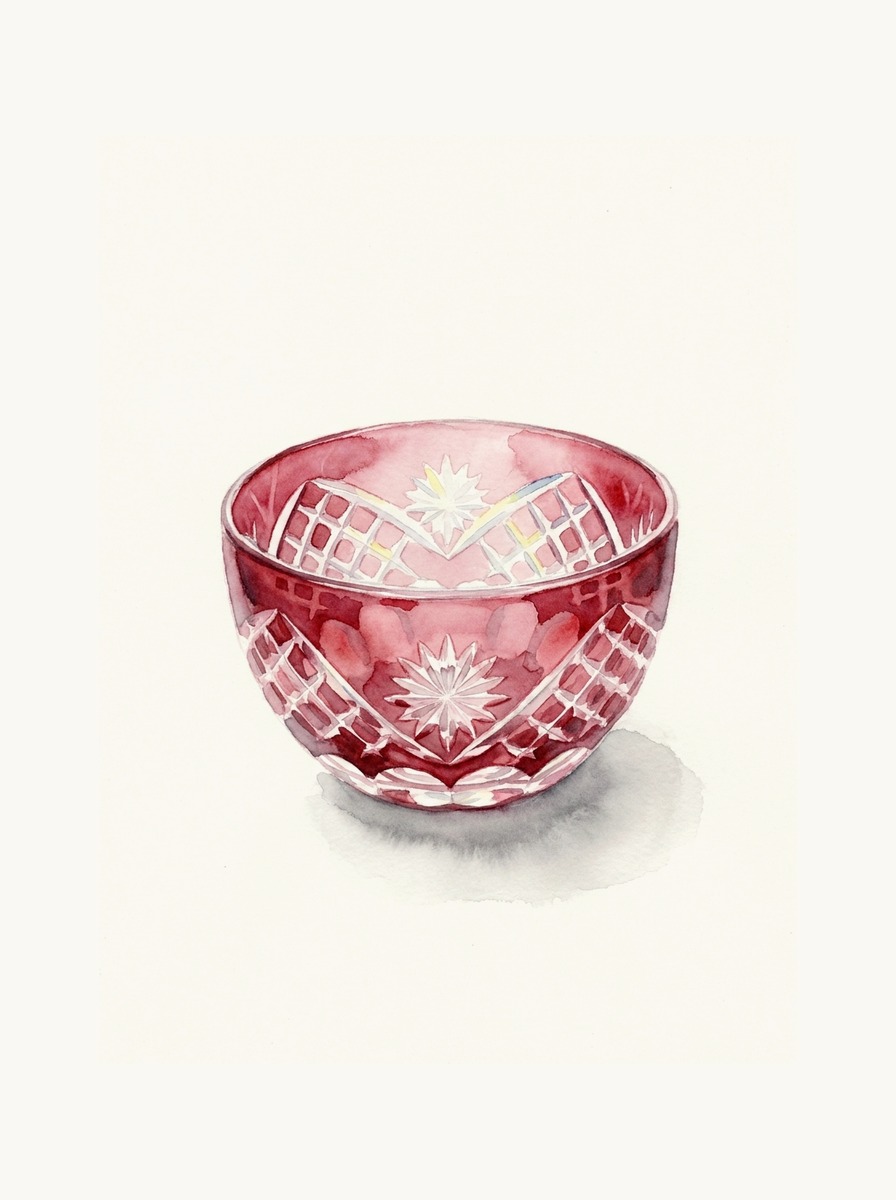
Satsuma Kiriko薩摩切子
Born in late-Edo Satsuma, lost to war, and revived from old records a century later — cut glass whose soul is the soft ‘bokashi’ gradient from…
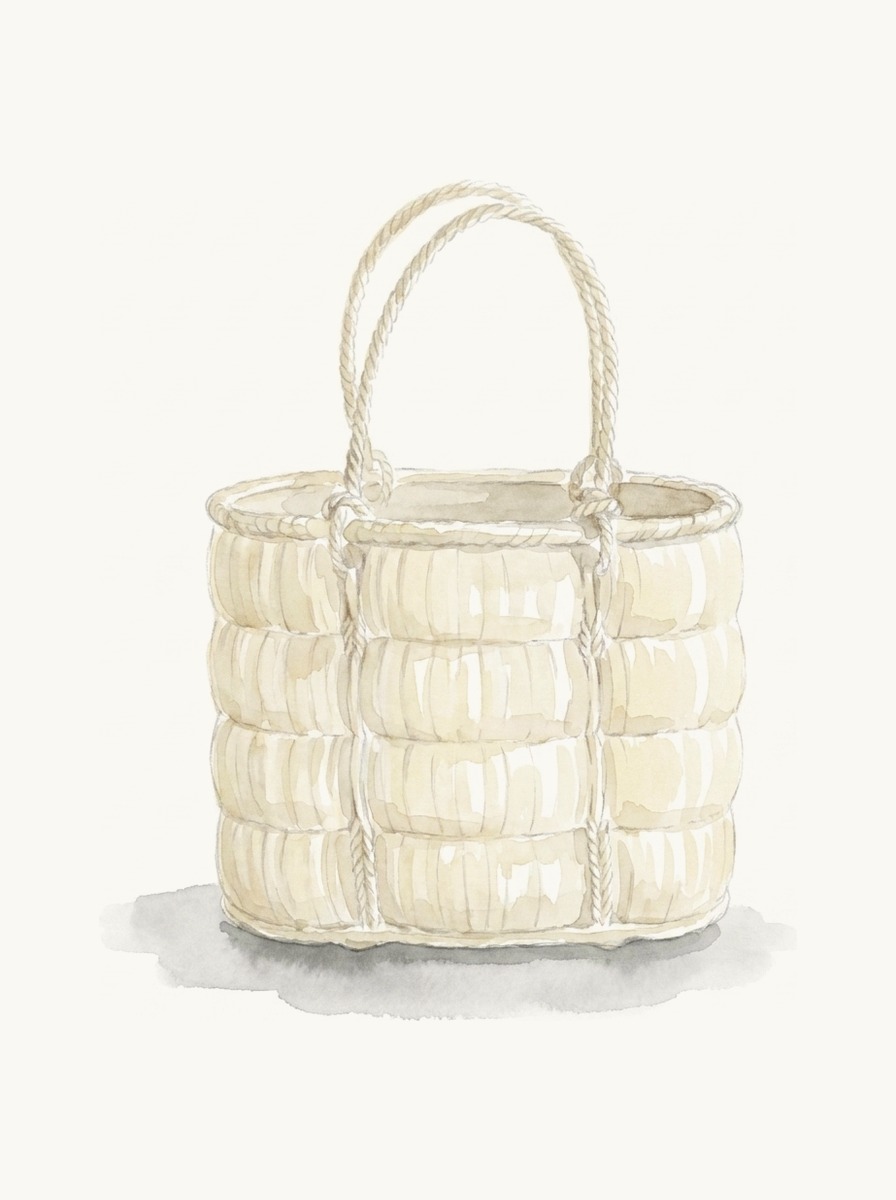
Hiruzen Gama-zaiku蒜山がま細工
In a highland that lies “a hundred days under snow,” villagers weave the water-reed gama into boots, sandals and bags — a winter craft born of…
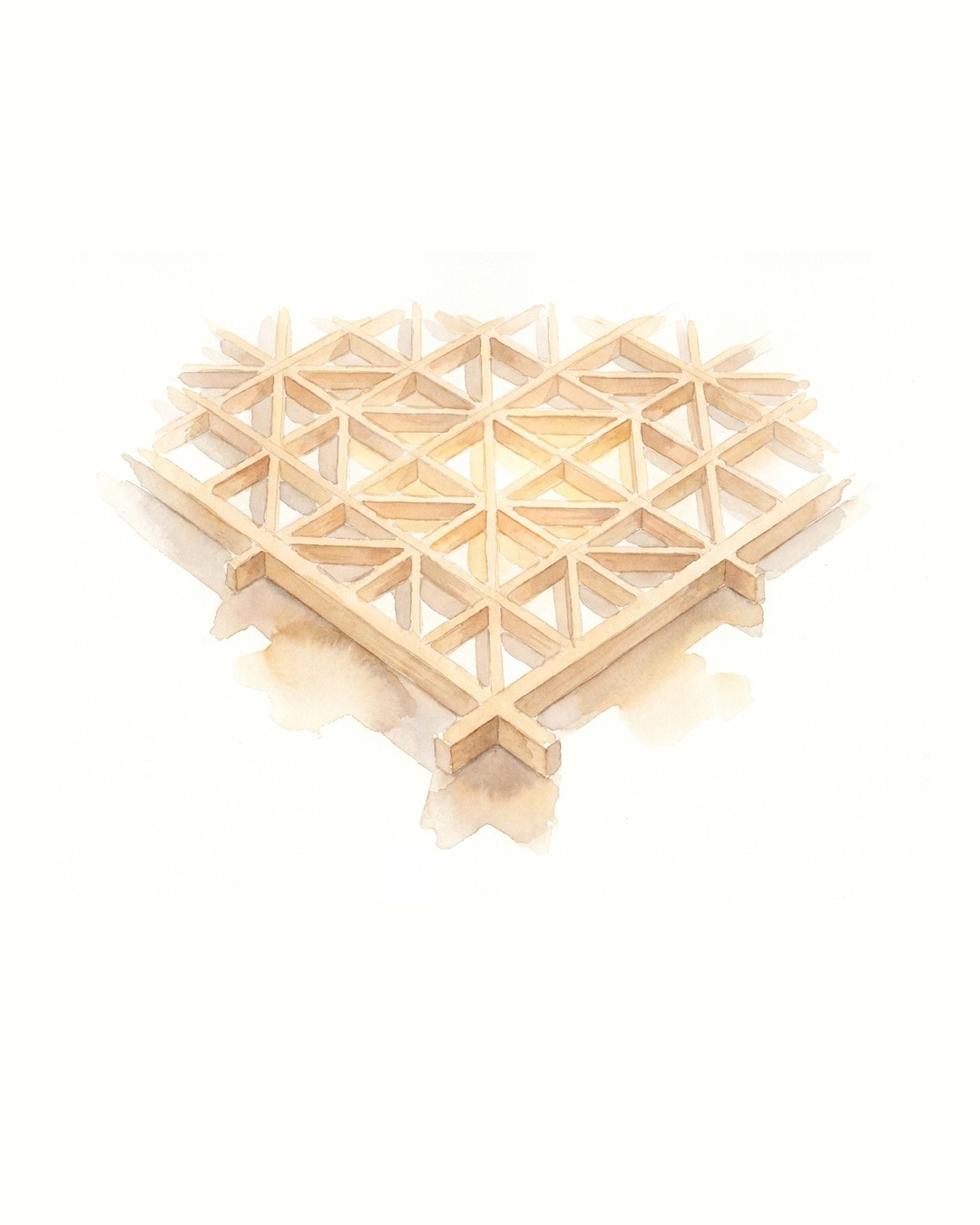
Okawa Kumiko大川組子
大川組子——福岡・筑後川河口の指物木工。釘を使わず、檜などの細い木を組んで麻の葉や亀甲の幾何模様をつくり、障子・欄間・書院を飾る。二百を超える組手を伝える、家具のまち大川の象徴的な技法。
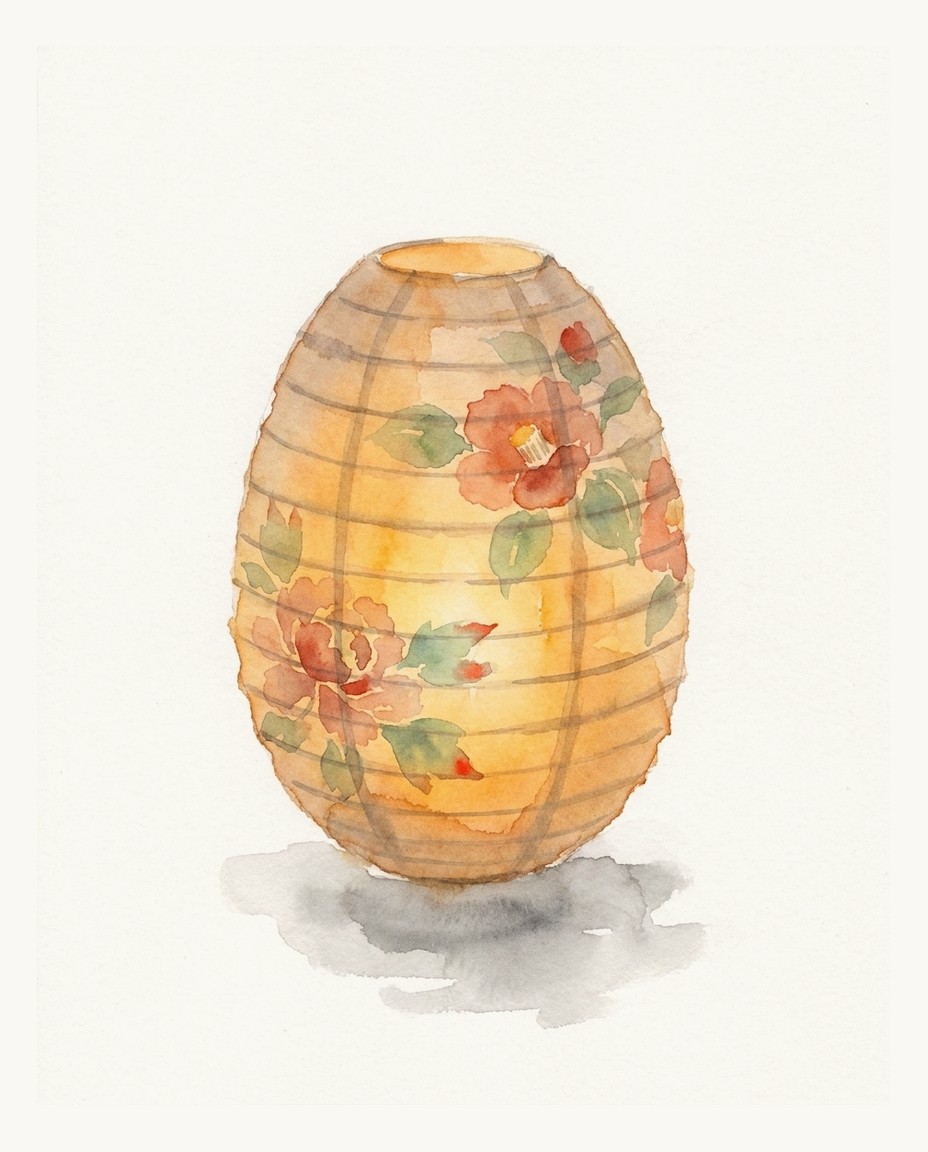
Yame chochin八女提灯
Bon lanterns from Yame, Fukuoka. A single continuous bamboo rib wound in a spiral, skinned with paper thin enough to glow, painted with flowers and birds.…
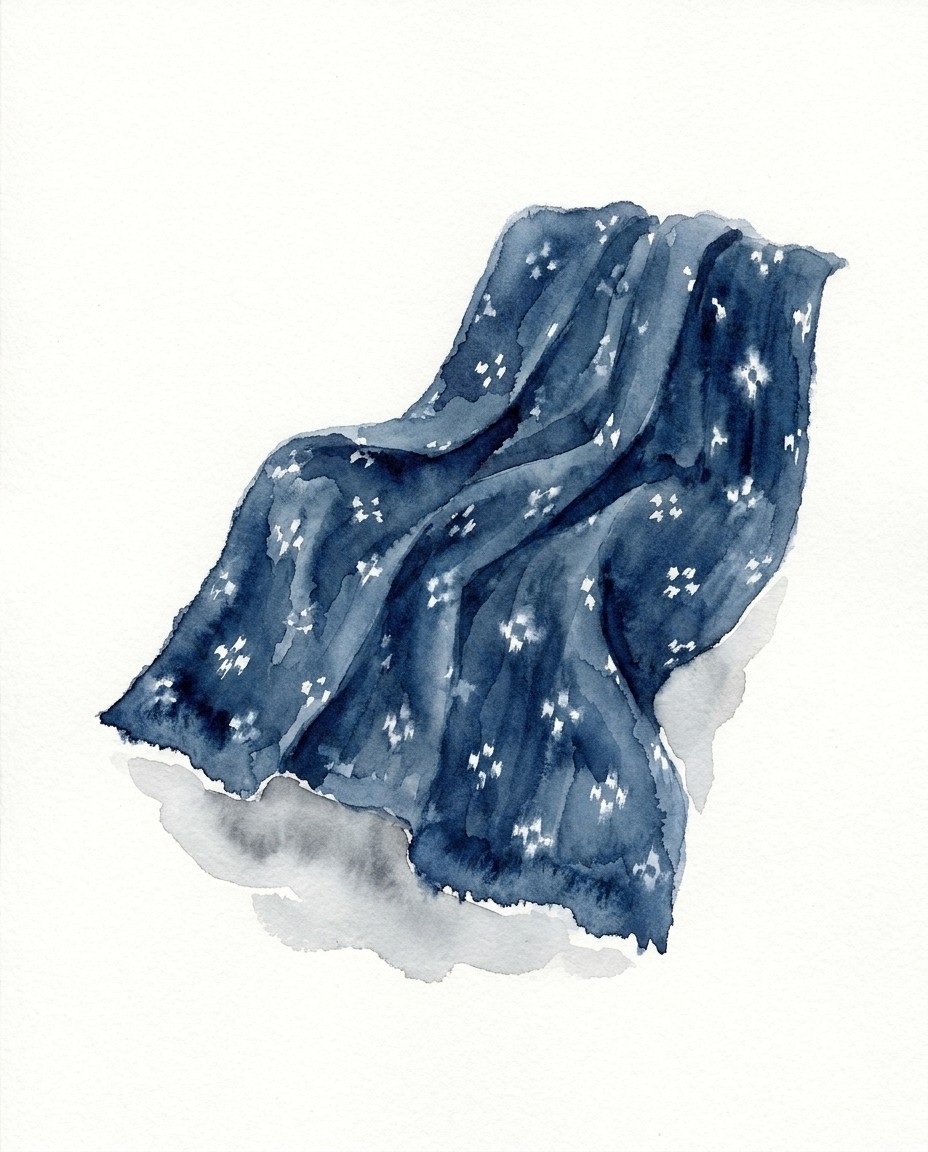
Kurume-gasuri久留米絣
Kurume-gasuri - hand-tied, Awa-indigo cotton ikat from the Chikugo plain in Fukuoka; a National Important Intangible Cultural Property and one of Japan's three great kasuri.
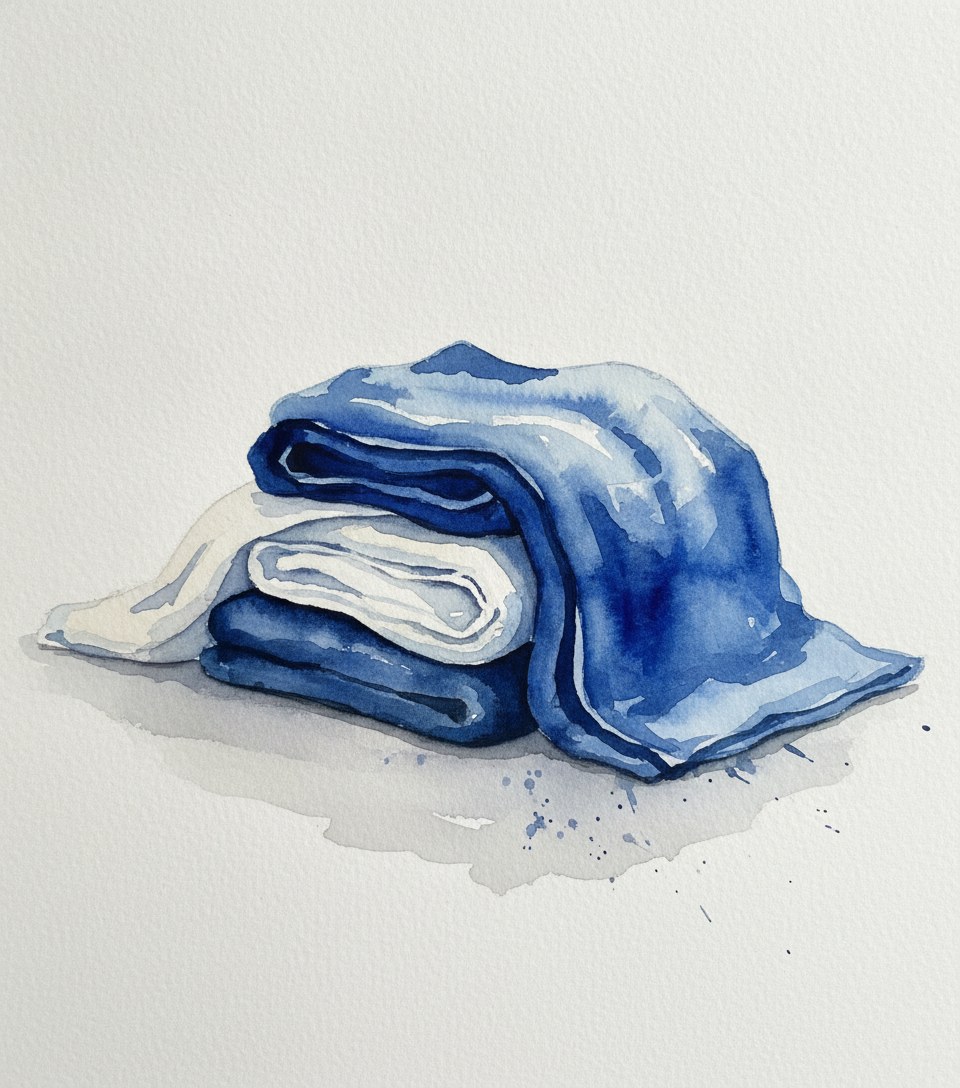
Aizome (Japan Blue)藍染
Japan Blue — awa-ai, natural fermentation indigo from Tokushima. Green from the vat, blue in the air; true fermentation indigo is now about 1% of what…
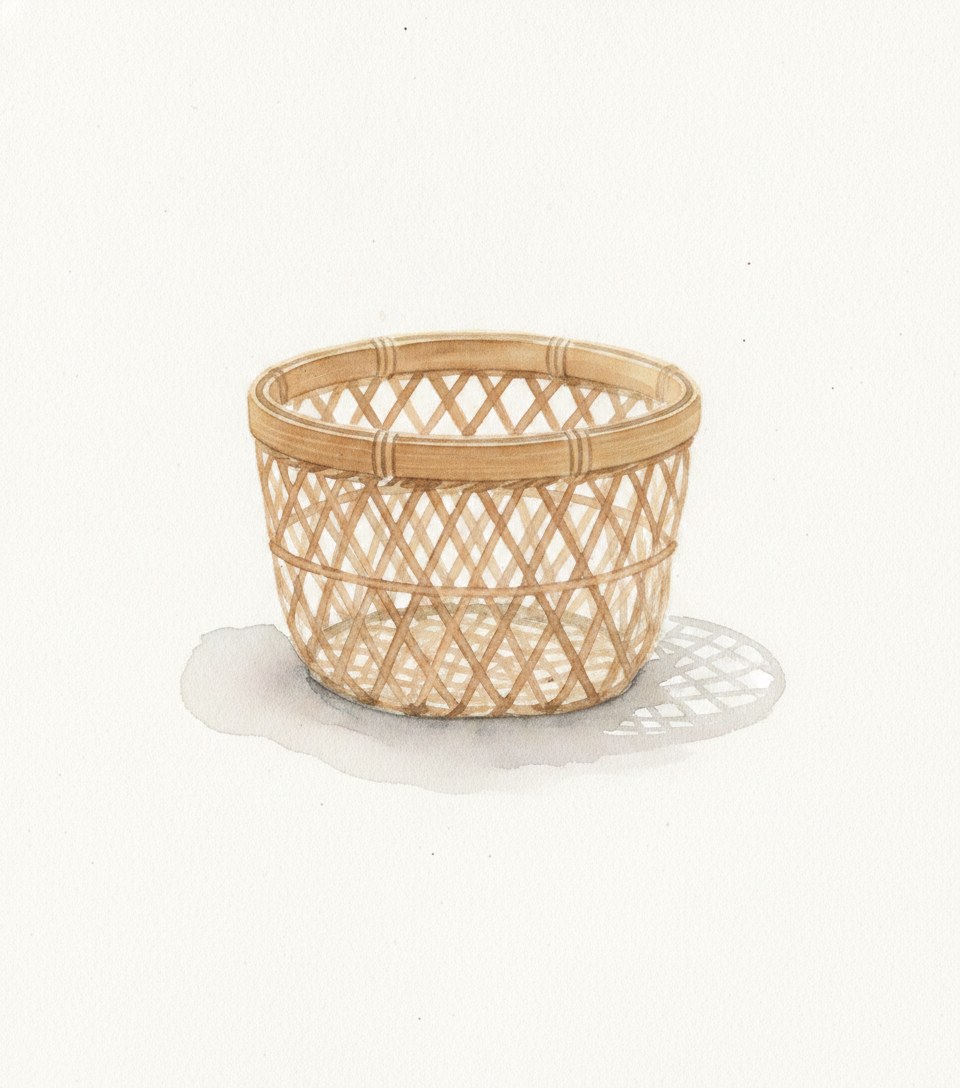
Beppu Bamboo別府竹細工
Hot-spring bamboo — madake woven by hand in Beppu, from bath-house baskets to a Living National Treasure of bamboo art; the only Traditional Craft in Ōita.
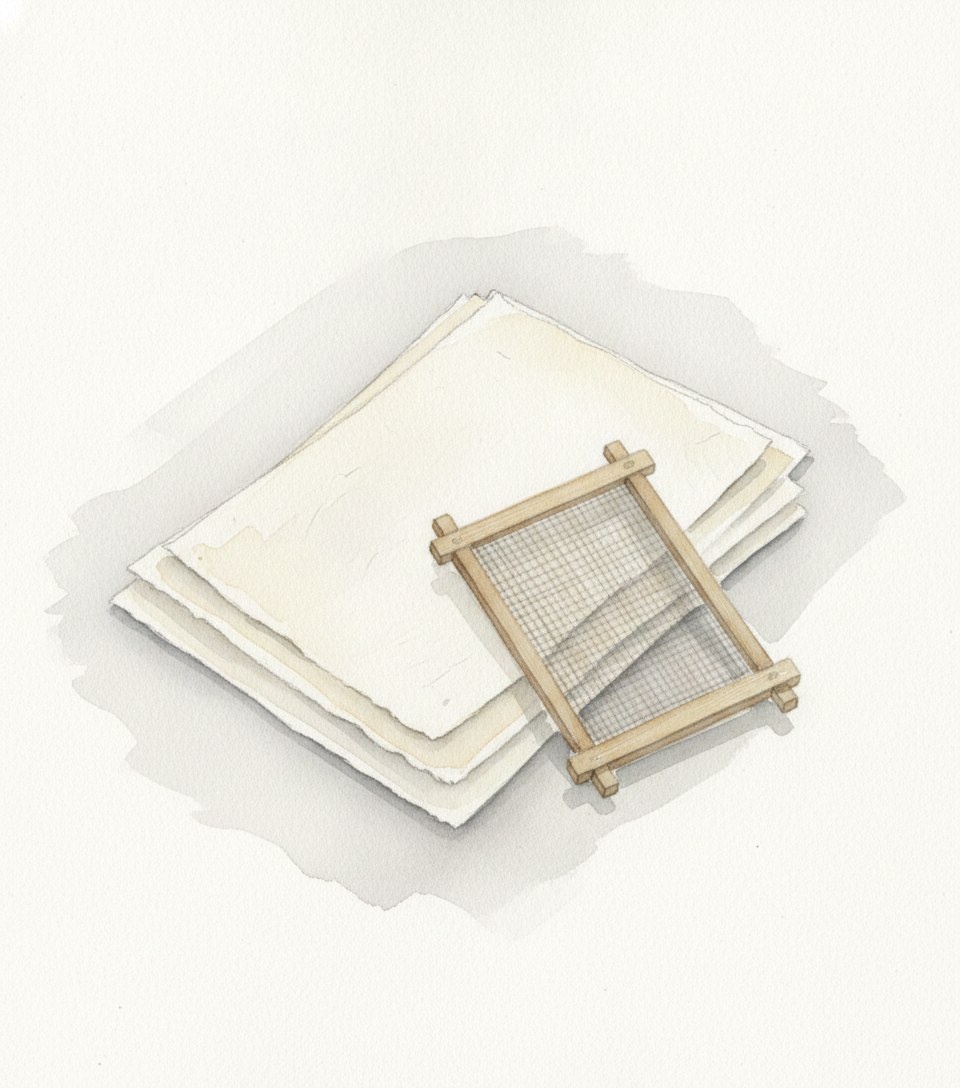
Mino Washi美濃和紙
Paper strong enough to be light — 1,300 years of hand-couched mulberry sheets from the clear water of Mino, Gifu.
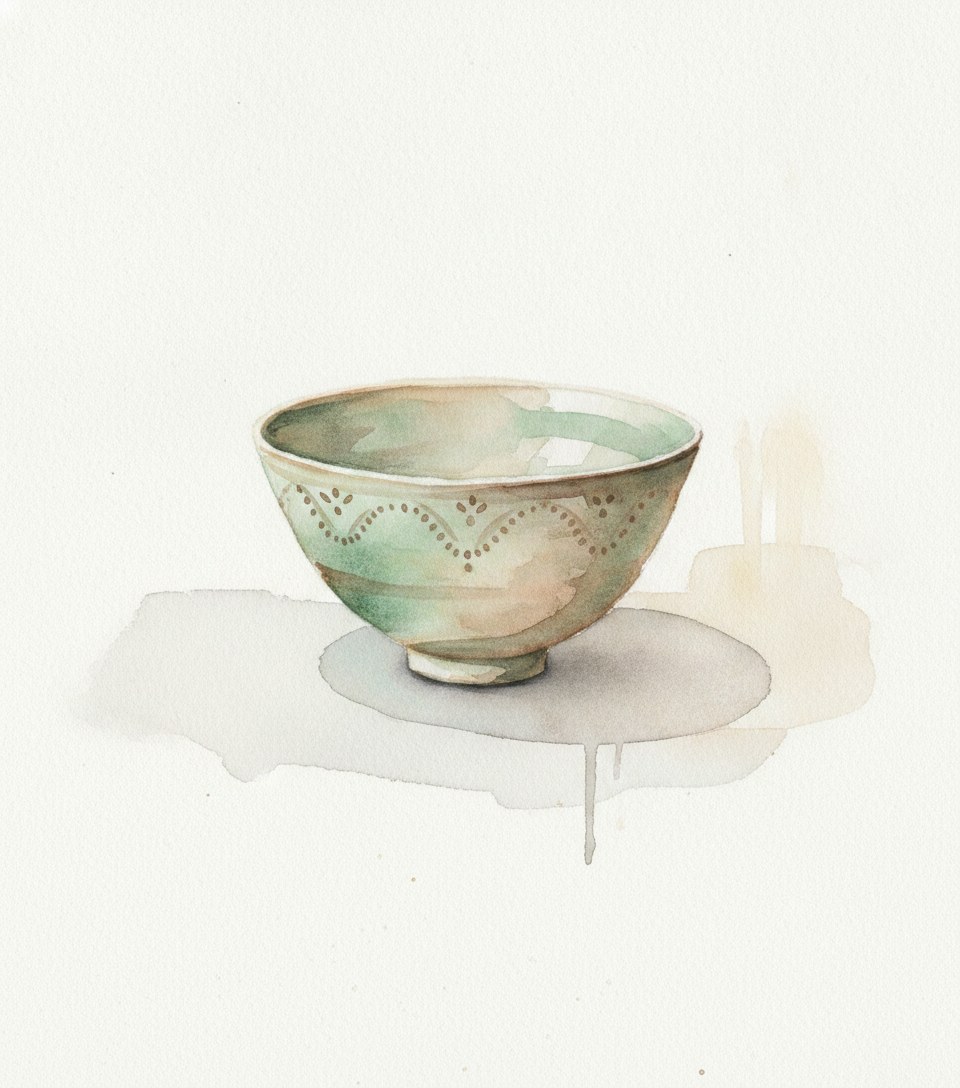
Onta Ware小鹿田焼
Made for the hand, not the shelf — iron-dark clay thrown since 1705 in one Kyūshū valley, never signed.
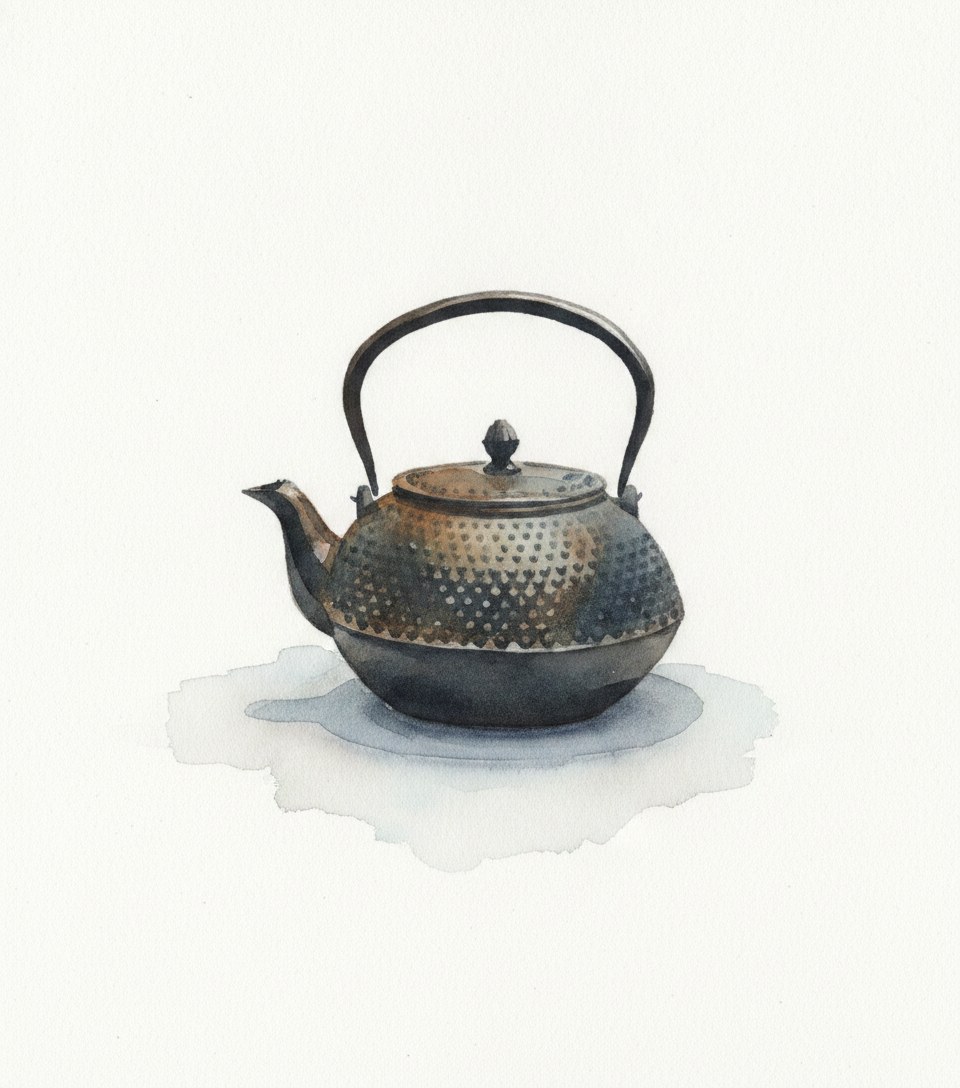
Nambu Ironware南部鉄器
Cast ironware from Iwate — kettles, teapots and wind chimes. Japan's first designated Traditional Craft (1975); nearly lost, now prized worldwide.
Every word is a door to the next.
Onta's clay leads to the river, the river to a hot spring, the spring to the table. The relations are the route.