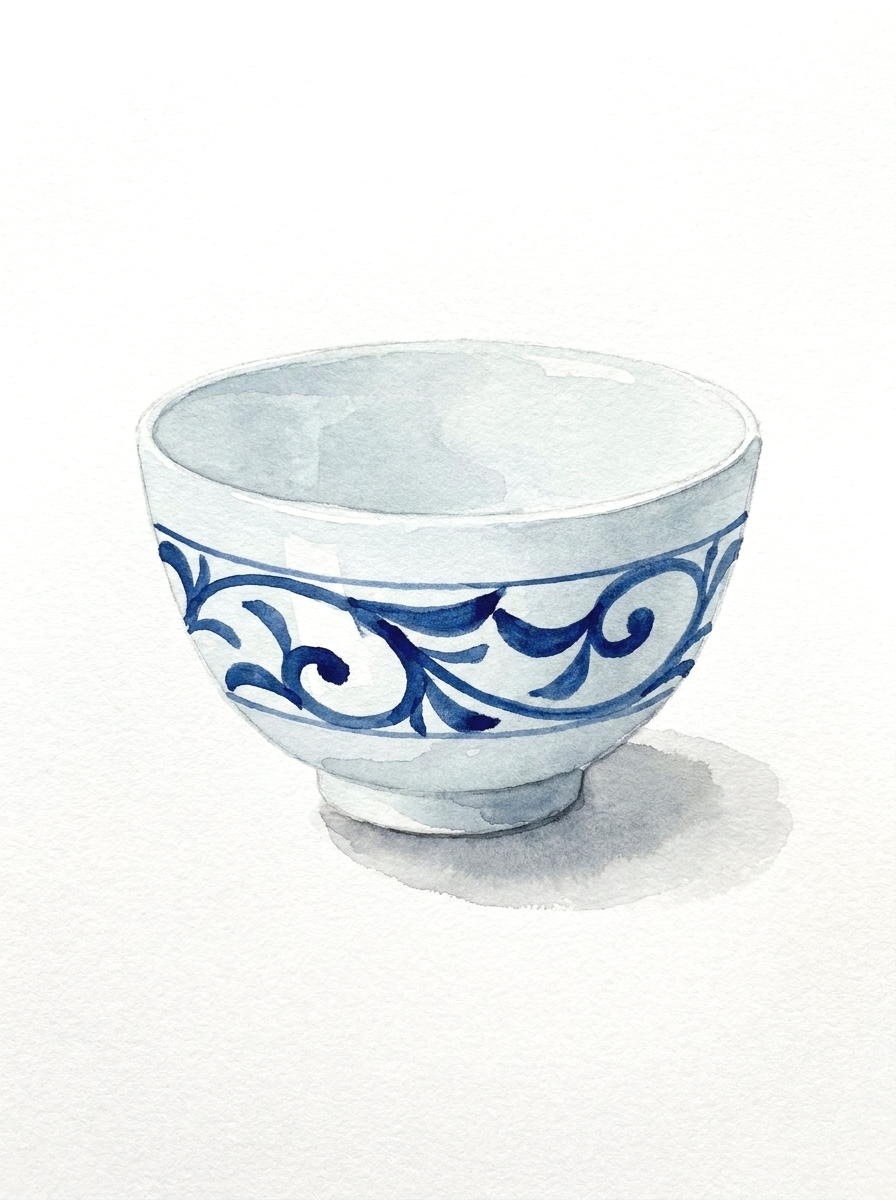
In the whetstone town of Tobe, Ehime, porcelain was first fired in 1777 using stone waste. Thick, sturdy white porcelain painted with free cobalt-blue arabesque and sun motifs — beauty made for ordinary days, not special ones. A national traditional craft since 1976.
From what was thrown away, a vessel for every day.
Tobe, in Iyo. This has long been a source of fine whetstones — 'Iyo-to' — for sharpening blades. In the Anei era, someone asked whether the stone waste left from cutting those whetstones might be used, rather than discarded, as a raw material for porcelain. The Ozu domain took up the trial, and after much effort, in 1777, succeeded in firing white porcelain. Stone that had been thrown away was reborn as a white vessel.
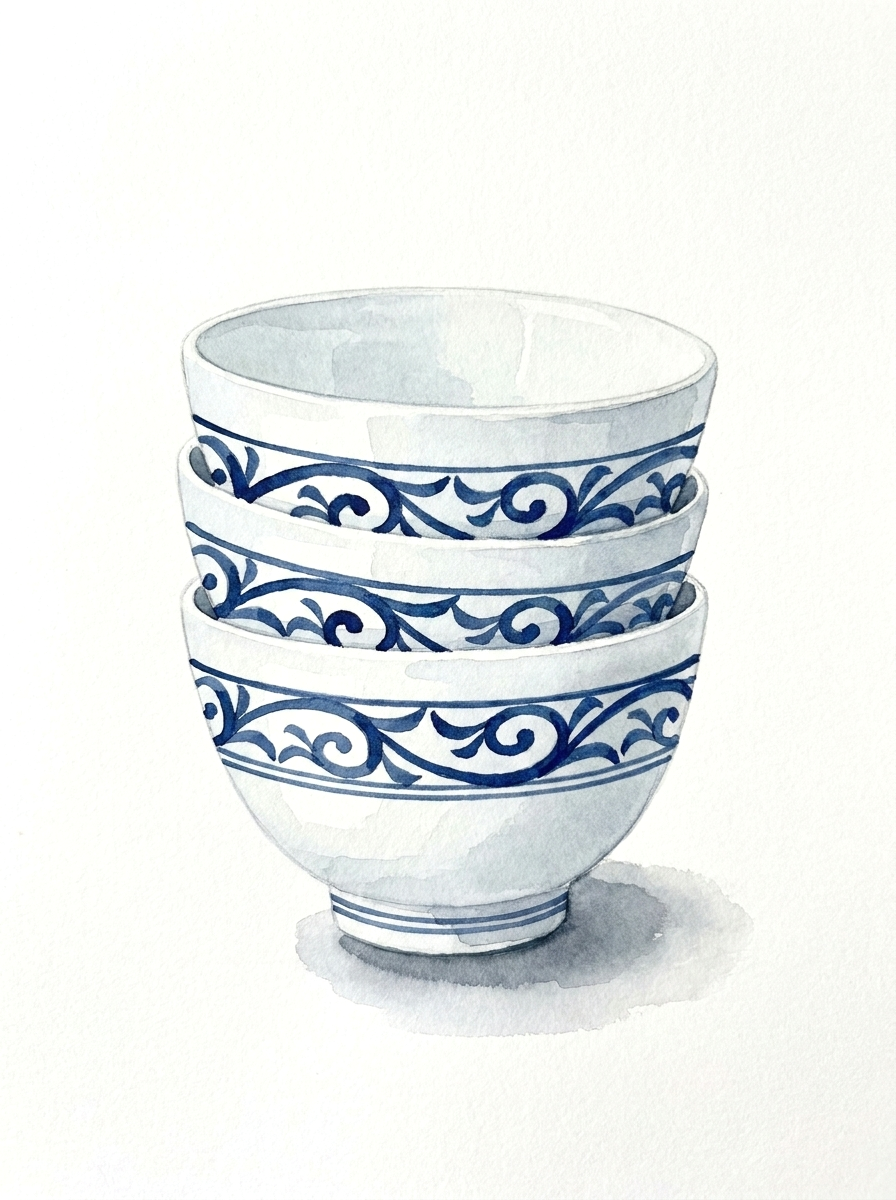
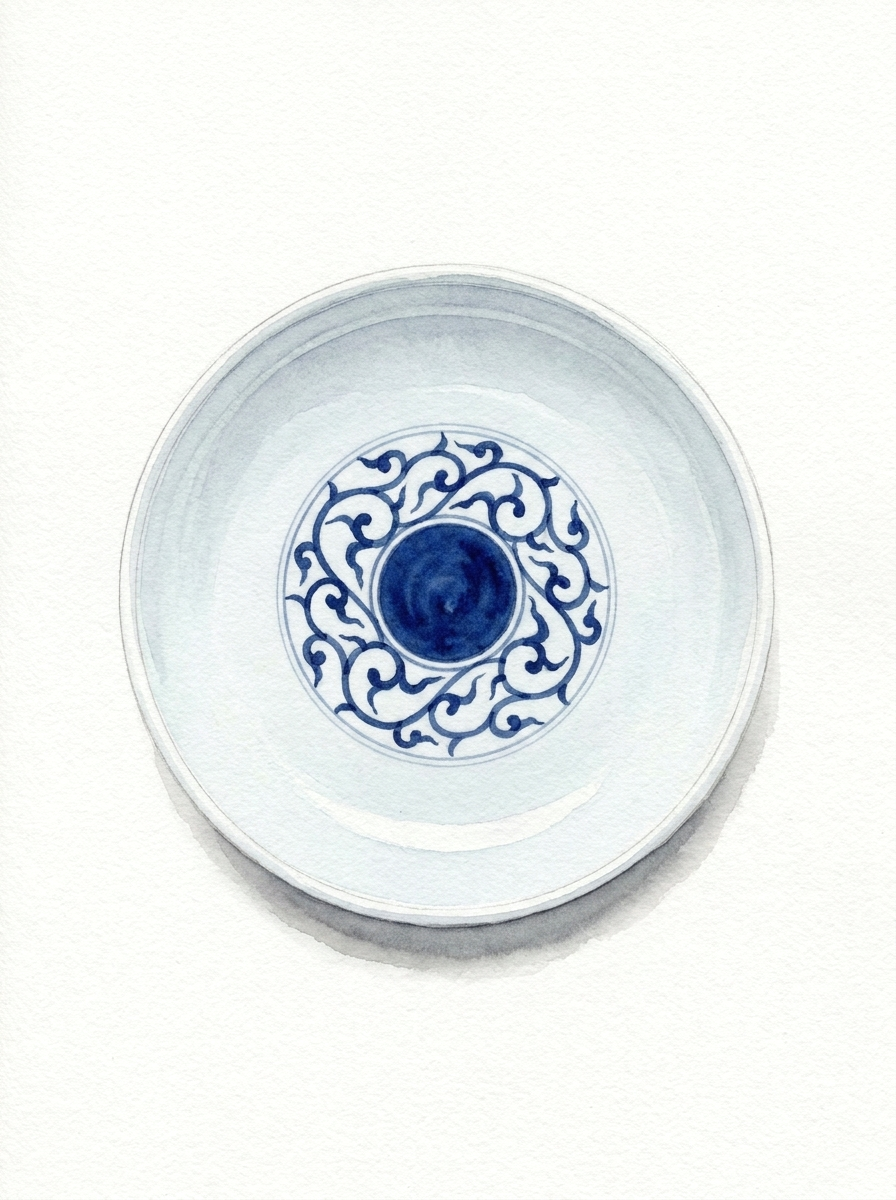
Tobe ware is a little different from showy masterpieces. On thick, sturdy white porcelain, arabesque and sun motifs are painted freely, in a single sweep, with cobalt-blue 'gosu'. Because it is thick it rarely chips; it is tough, and can be used without worry at the everyday table. Not a vessel for special days, but for ordinary ones — beauty in daily use.
In 1976 it was designated a national traditional craft. A ware that chose to fit the hand of the user rather than to carry the maker's name. Between the white and the blue lies the daily life of Shikoku.
Shops and makers will be listed here as we verify them, one by one.
Details are based on official sources (checked: 21 Aug 2026) and may change — please check the official page before you go.