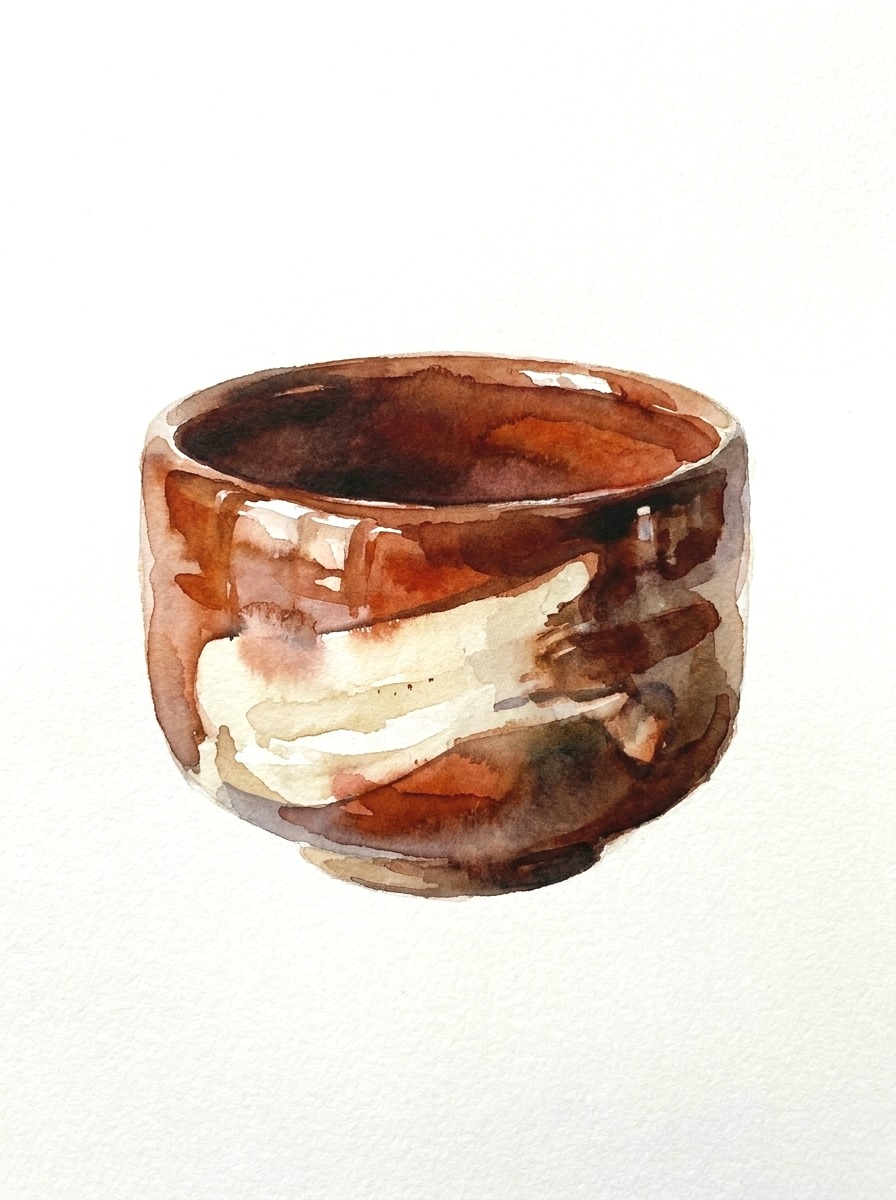
The everyday pottery of Mashiko, Tochigi. Begun by Otsuka Keizaburo and made the 'town of mingei' by Hamada Shoji — thick daily ware where a bold creamy 'nuka' white is poured over a persimmon-brown iron glaze. A National Traditional Craft since 1979.
Everyday ware that became the town of mingei.
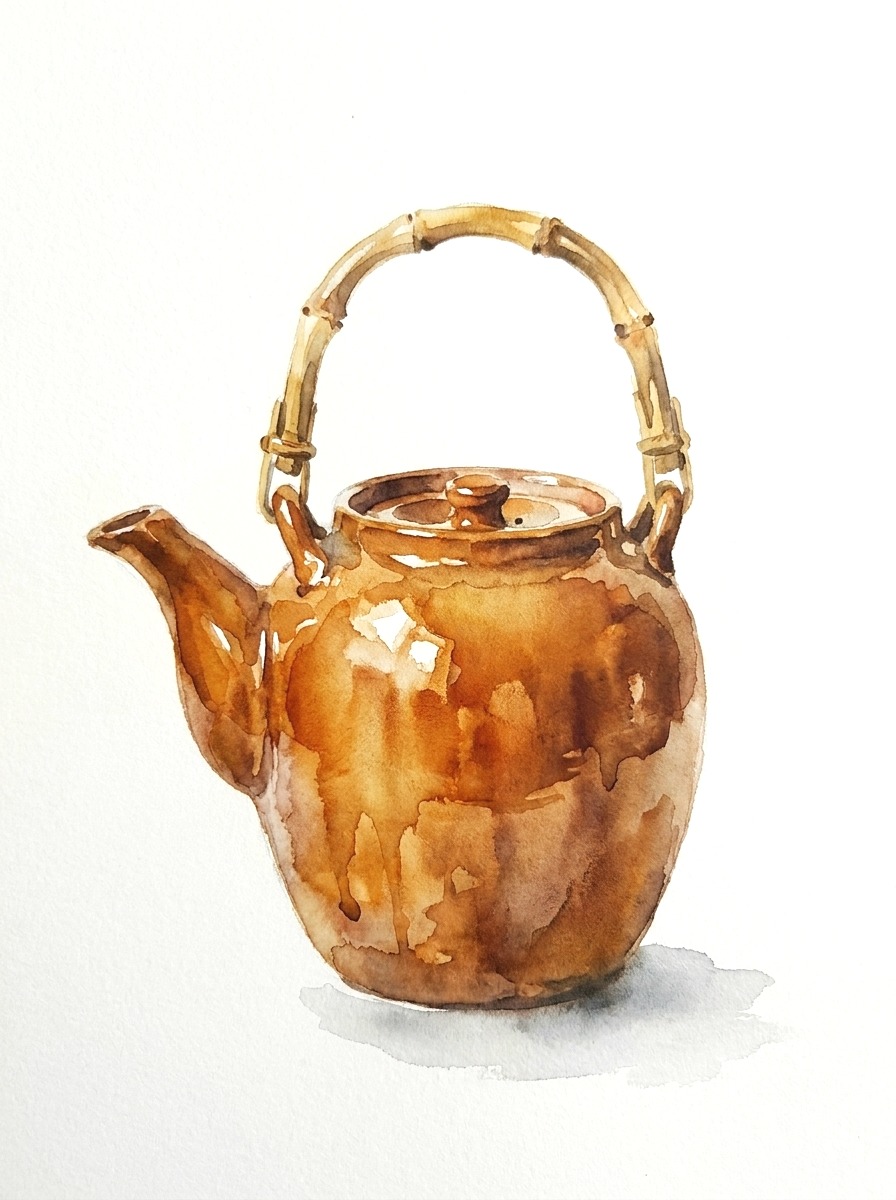
Mashiko-yaki is the pottery of Mashiko, in Tochigi. It began in the last years of the Edo period, around the Kaei era, when Otsuka Keizaburo — trained in nearby Kasama — built a kiln here. Blessed with good clay and close to the great market of Edo (Tokyo), Mashiko was from the start a town that fired everyday things: bowls, water jars, teapots.
One potter changed that plain town. In 1924, Hamada Shoji came to live in Mashiko. With Yanagi Soetsu he championed mingei — the beauty of everyday things made by unknown hands — and went on firing daily vessels from Mashiko's own clay and glaze. His English friend, the potter Bernard Leach, visited often and brought techniques of his own. So Mashiko became known as the 'town of mingei.'
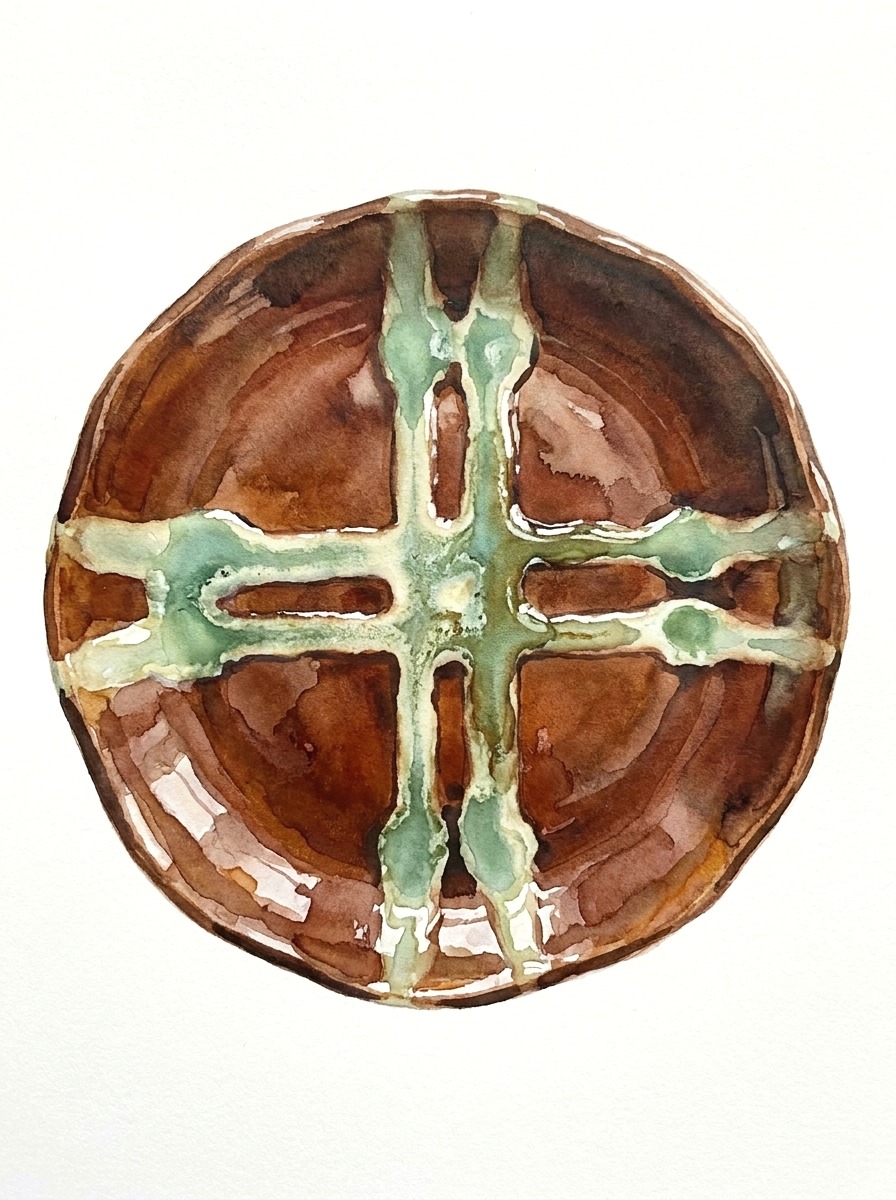
The face of Mashiko ware is its iron glaze: jet black, amber, and the reddish-brown called 'kaki' (persimmon), laid on with a brush from powdered stone and old iron. Over it, a raw creamy 'nuka' white is poured boldly with a ladle — the nagashi-gake pour that Hamada made famous. On a thick, generous body, persimmon and white cross. Not beauty for display, but beauty made to be used.
Designated a National Traditional Craft in 1979. At the spring and autumn pottery fairs, hundreds of kilns and shops line the streets. Vessels for daily life, fired by unknown hands — and in their plainness, the idea of mingei is living still.

Shops and makers will be listed here as we verify them, one by one.
Details are based on official sources (checked: 13 Aug 2026) and may change — please check the official page before you go.
Otsuka Keizaburo opens a kiln; Mashiko becomes a town of everyday ware
Hamada Shoji settles in Mashiko; it becomes a heart of the mingei movement
Hamada Shoji named a Living National Treasure
Designated a National Traditional Craft
Kept alive as a town of fairs and potters