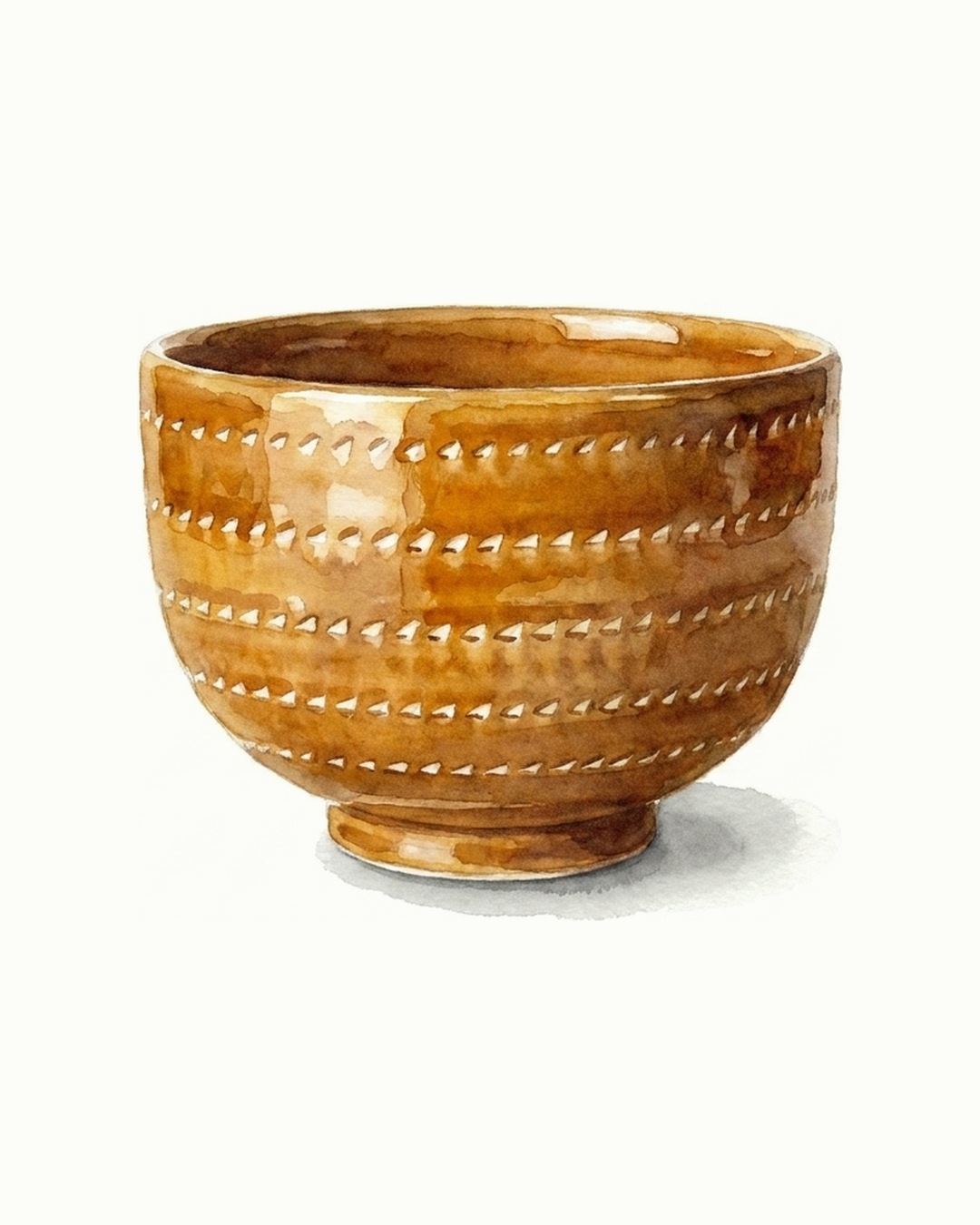
A folk pottery fired since the early Edo period in Toho, Fukuoka, at the foot of Mt. Hikosan. Its face is the tobikanna chatter and hakeme brushwork cut while the wheel turns. In the early 18th century a potter from here founded Onta ware — Koishiwara is its parent. Praised by Yanagi and Leach for the beauty of use; in 1975 the first pottery in Japan named a traditional craft.
In a mountain village, the sound of the wheel goes on.
Toho, in Fukuoka. At the foot of the sacred peak of Hikosan, in a basin where red clay is dug, stand the kilns of Koishiwara ware. It is said to have begun in the early Edo period, when Kuroda Mitsuyuki, the third lord of the Fukuoka domain, invited potters from Hizen. For more than three hundred years since, this mountain hamlet has gone on firing vessels for everyday use.
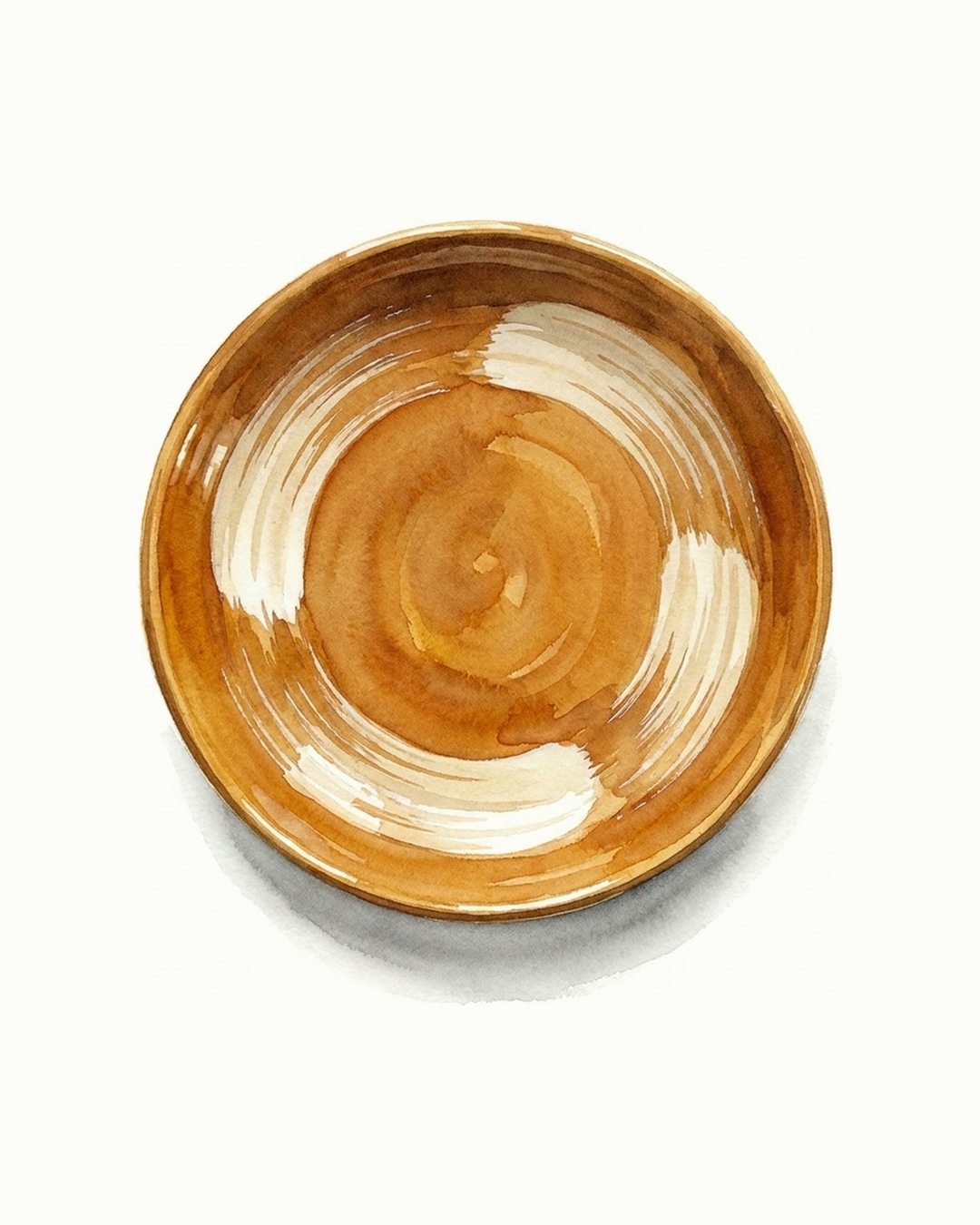
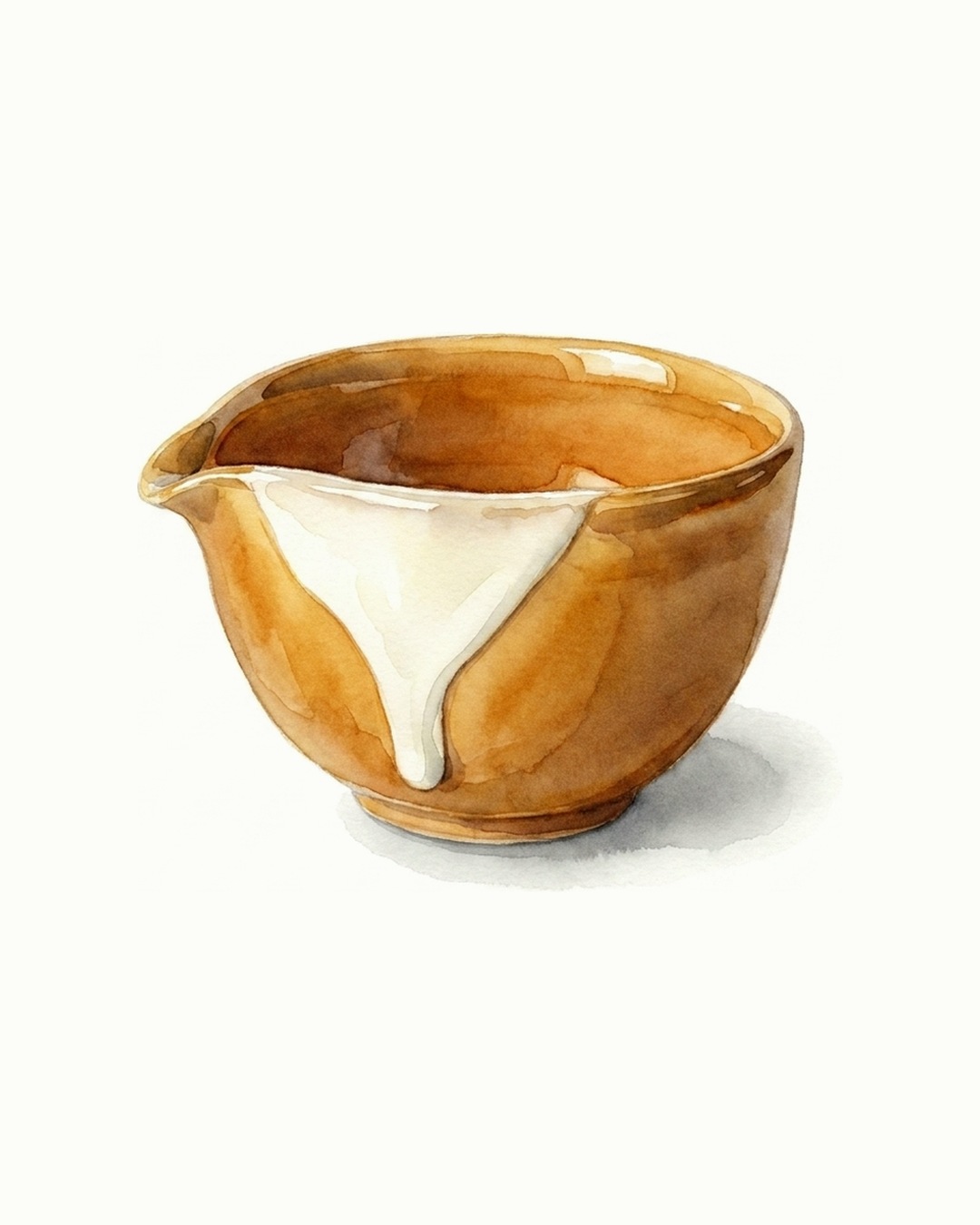
The face of Koishiwara ware is the pattern cut while the wheel turns. The chatter of the 'tobikanna' plane; the sweep of the brush in 'hakeme'; combing, finger-drawing, glaze flung on with a ladle or trailed in a thin line. As much as the hand meets the turning, a pattern is born. Rather than copying a design, the movement itself becomes the ornament.
At the start of the 18th century, a potter of this village, Yanagase Sanemon, was invited to the hills of Hita, and Onta ware was born. Both tobikanna and hakeme were, at their root, Koishiwara's techniques. Koishiwara is the parent of Onta.
Everyday ware, fired by unknown hands for the tables of unknown people. Yanagi Soetsu and Bernard Leach came here too, and saw in these plain vessels the beauty of use. In 1975, Koishiwara ware became the first pottery in Japan to be designated a national traditional craft.
There is no showy painting. There is only the rhythm of the hand, cut into every turn of the wheel.
Shops and makers will be listed here as we verify them, one by one.
Details are based on official sources (checked: 2 Sep 2026) and may change — please check the official page before you go.