The Dictionary
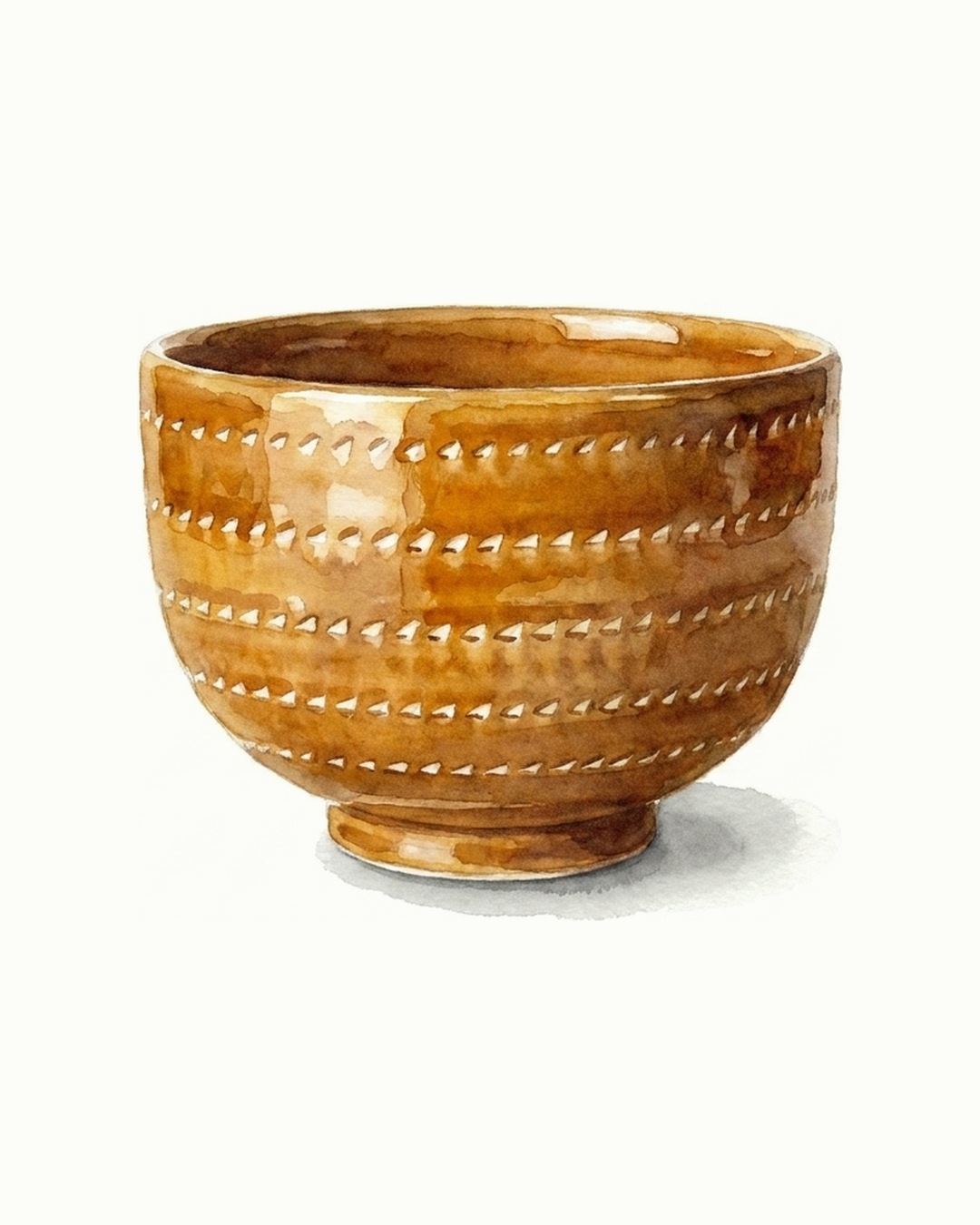
Koishiwara Ware小石原焼
A folk pottery fired since the early Edo period in Toho, Fukuoka, at the foot of Mt. Hikosan. Its face is the tobikanna chatter and hakeme…
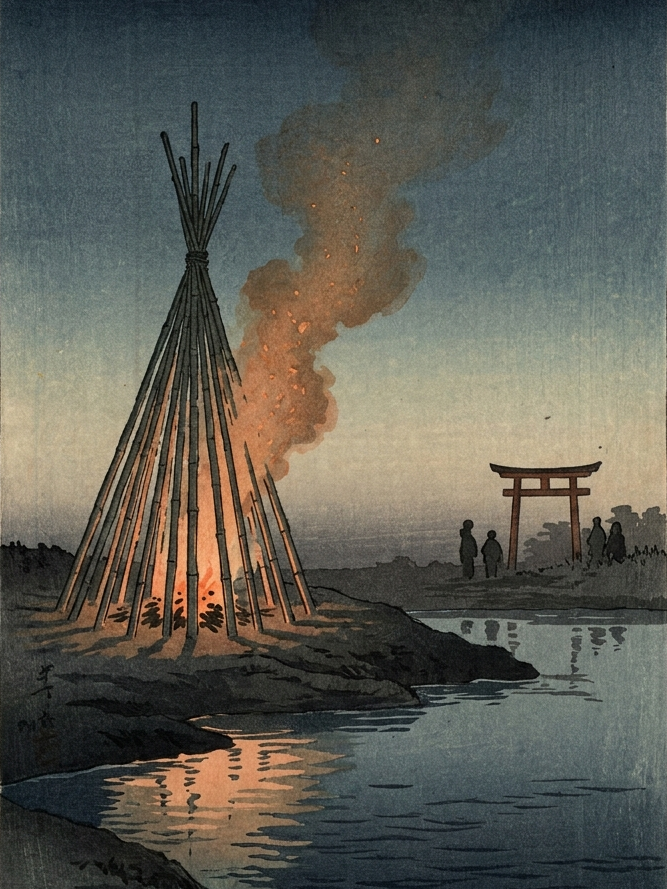
Douranbachi — the Raging Hornets動乱蜂(王子若宮八幡宮)
An autumn votive rite at Oji-Wakamiya Hachiman Shrine in Kurume. A four-metre green-bamboo 'hornet's nest' packed with fireworks is lit by a fuse drawn across the…
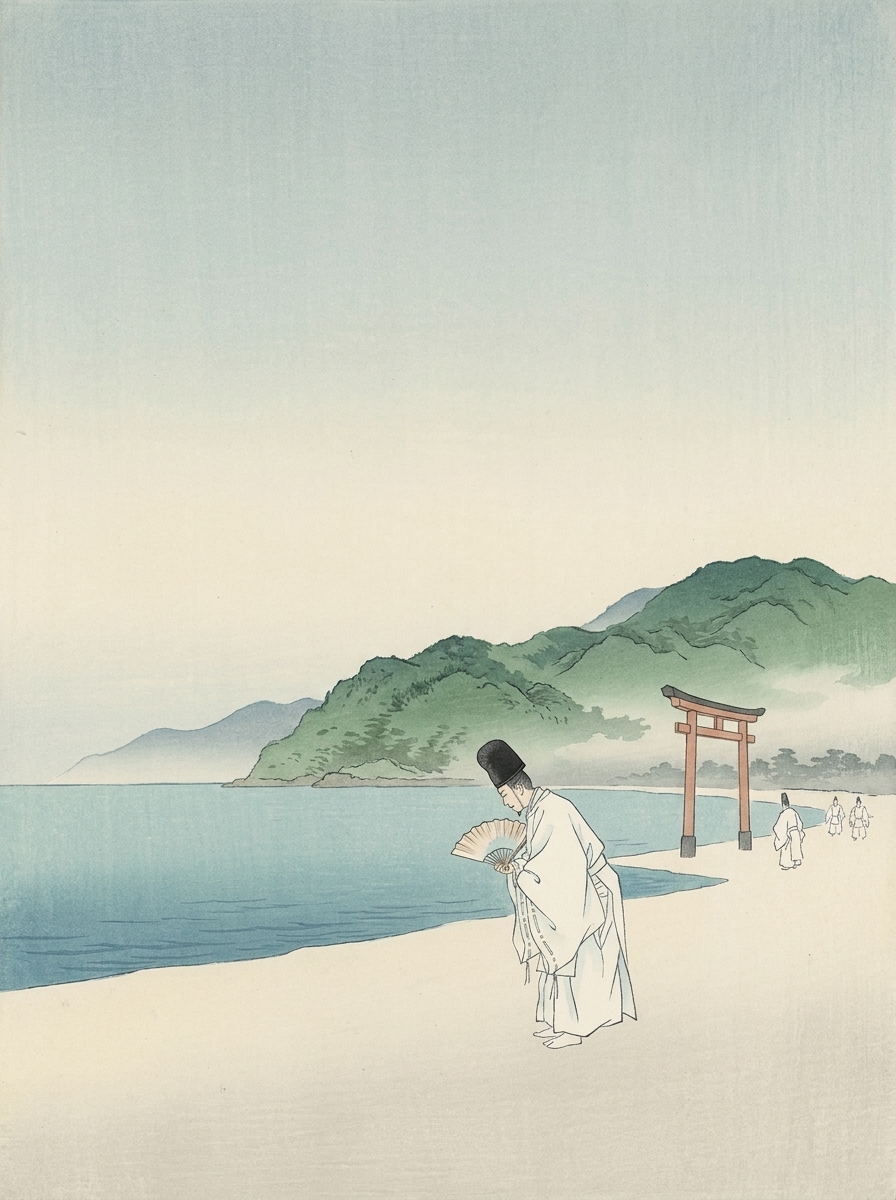
Yamahome — Praising the Mountains山ほめ祭(志賀海神社)
At Shikaumi Shrine, head shrine of Japan's sea gods on Shikanoshima, the year's chief rite begins by praising the mountains — 'a fine mountain, a lush…
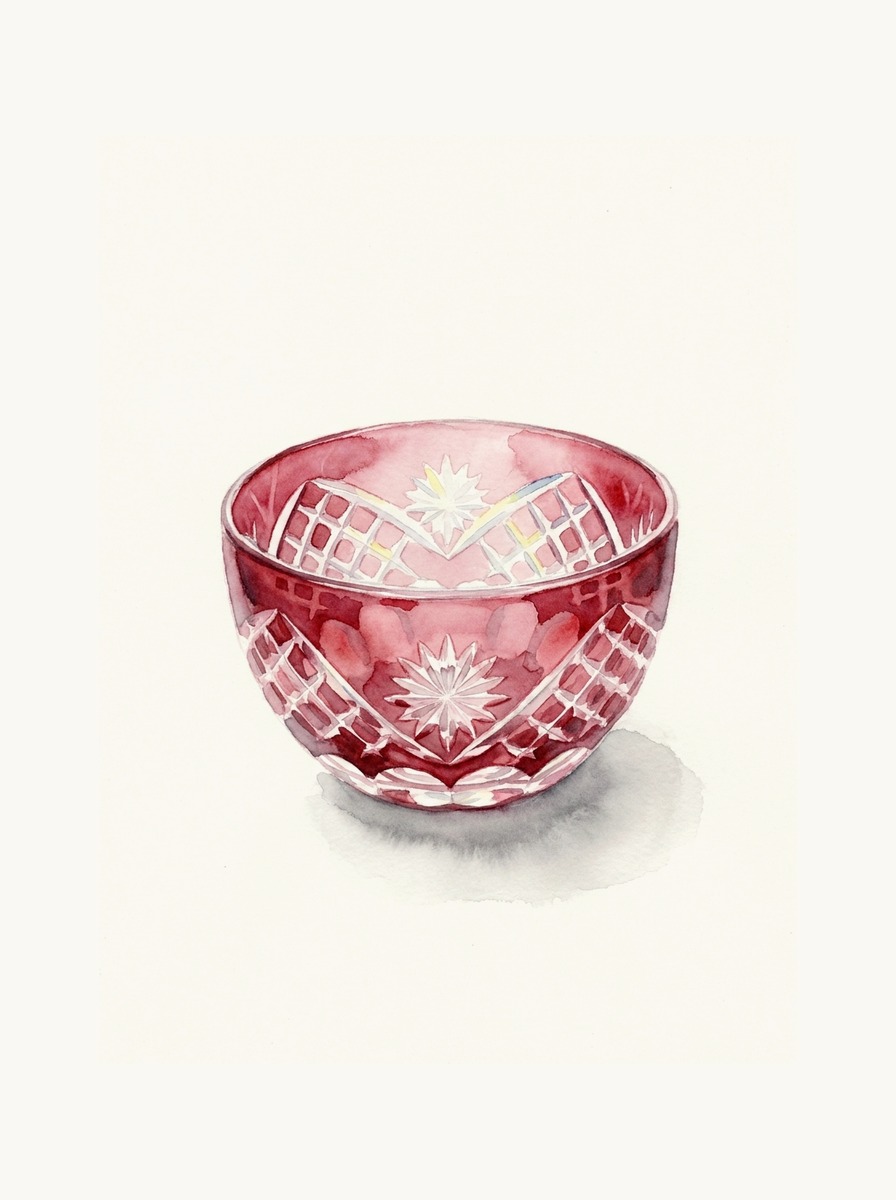
Satsuma Kiriko薩摩切子
Born in late-Edo Satsuma, lost to war, and revived from old records a century later — cut glass whose soul is the soft ‘bokashi’ gradient from…
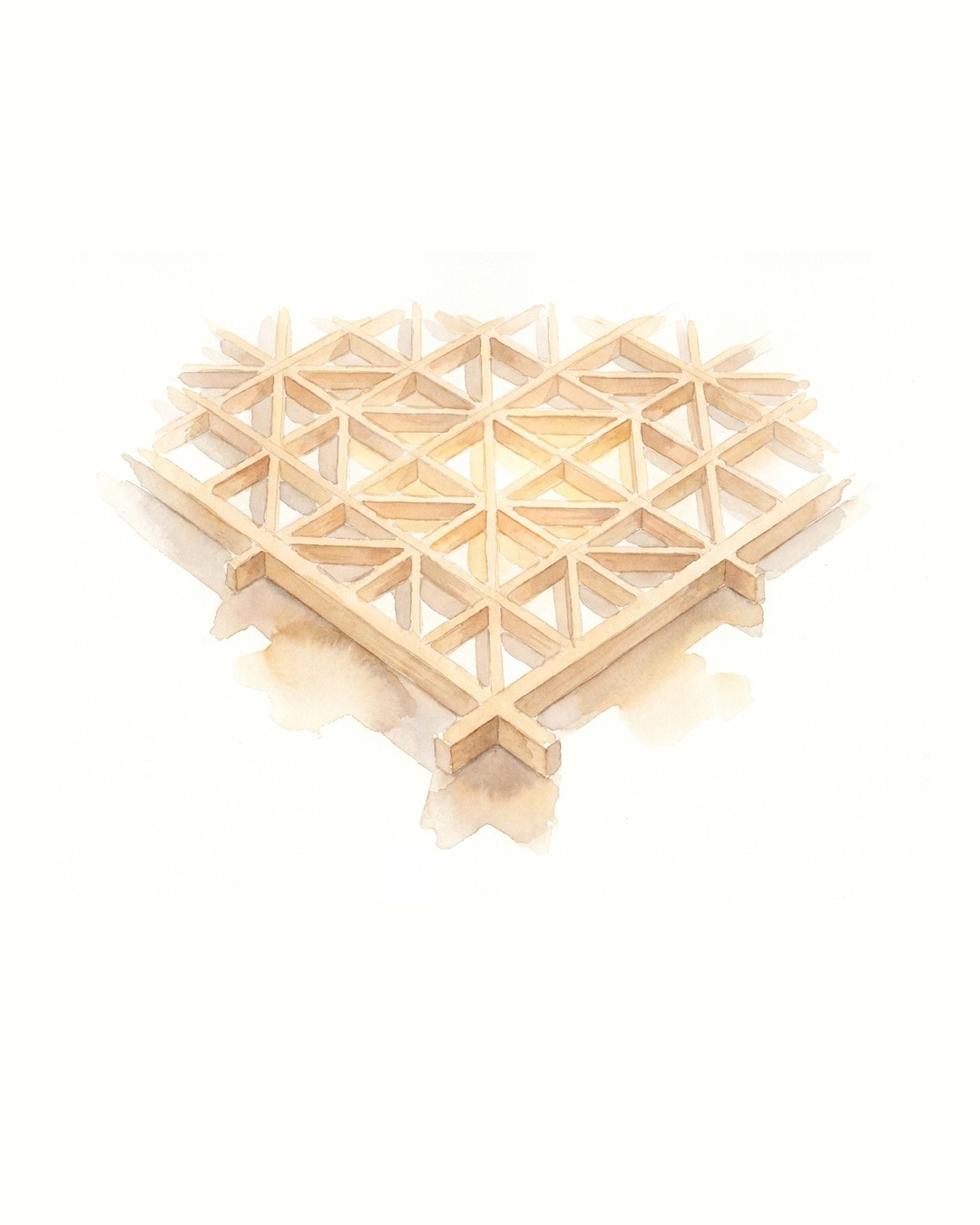
Okawa Kumiko大川組子
大川組子——福岡・筑後川河口の指物木工。釘を使わず、檜などの細い木を組んで麻の葉や亀甲の幾何模様をつくり、障子・欄間・書院を飾る。二百を超える組手を伝える、家具のまち大川の象徴的な技法。
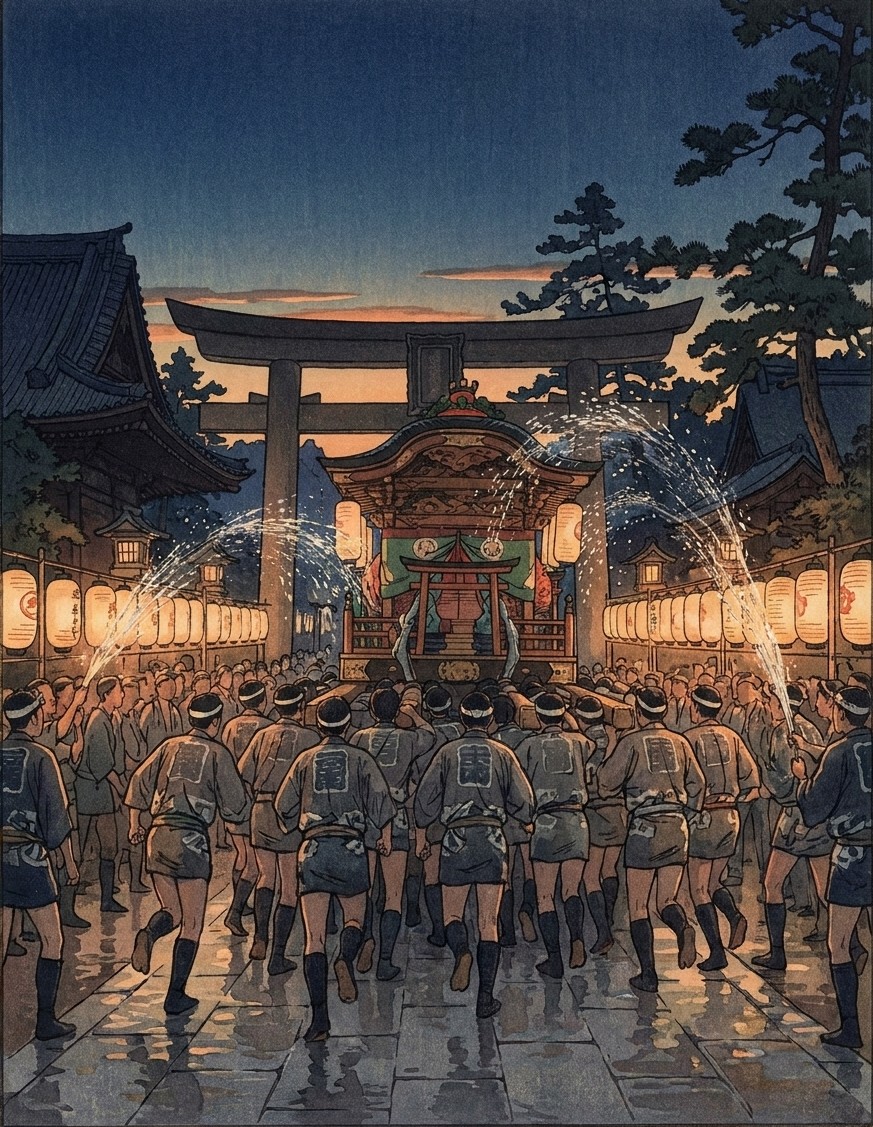
Hakata Gion Yamakasa博多祇園山笠
Hakata's summer festival, climaxing with the oi-yama at 4:59 AM on July 15. Rooted in a 1241 rite to drive out a plague; floats once 16m…
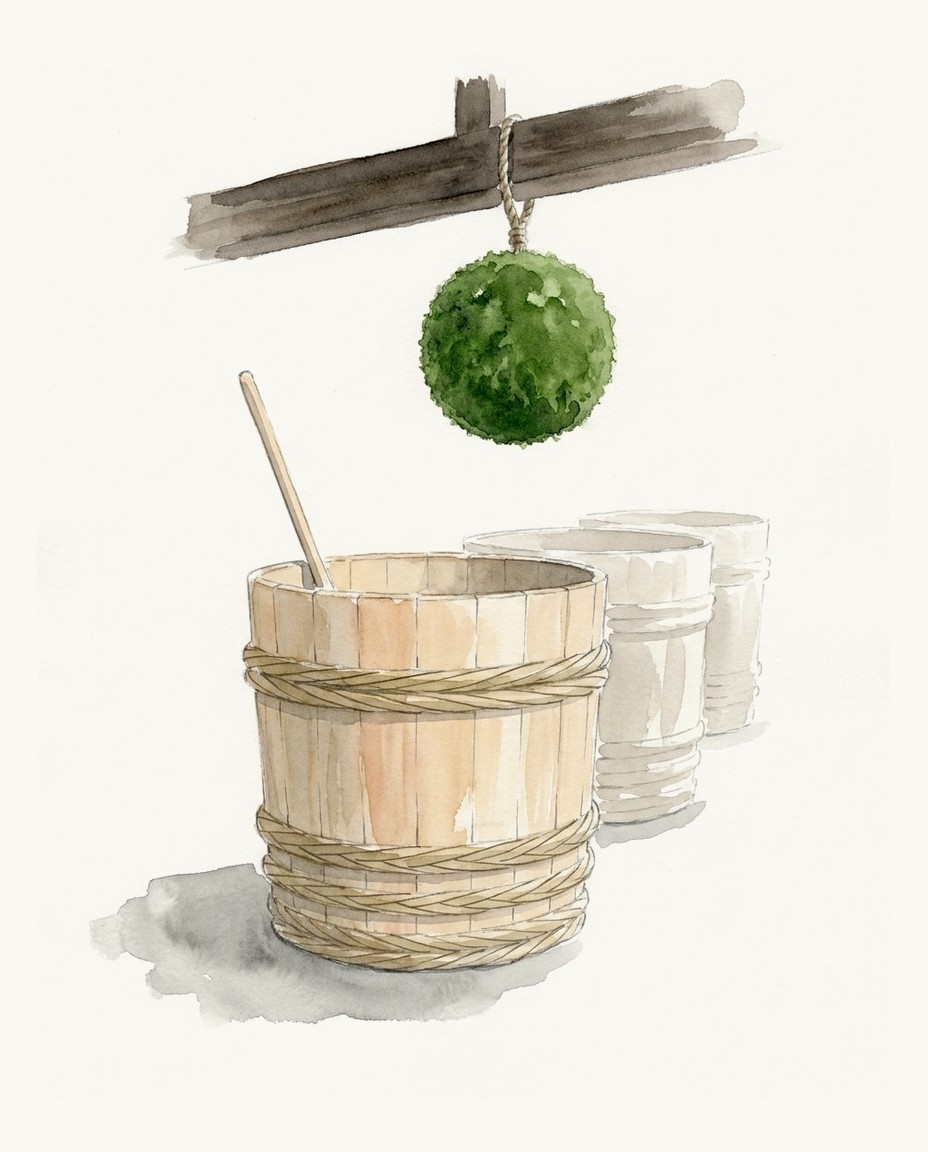
Jojima sake breweries城島の酒蔵
Sake country on the lower Chikugo river. Brewing water from 200m underground, rice from the plain the river built, barrel cedar floated down from Hita. Eighty-five…
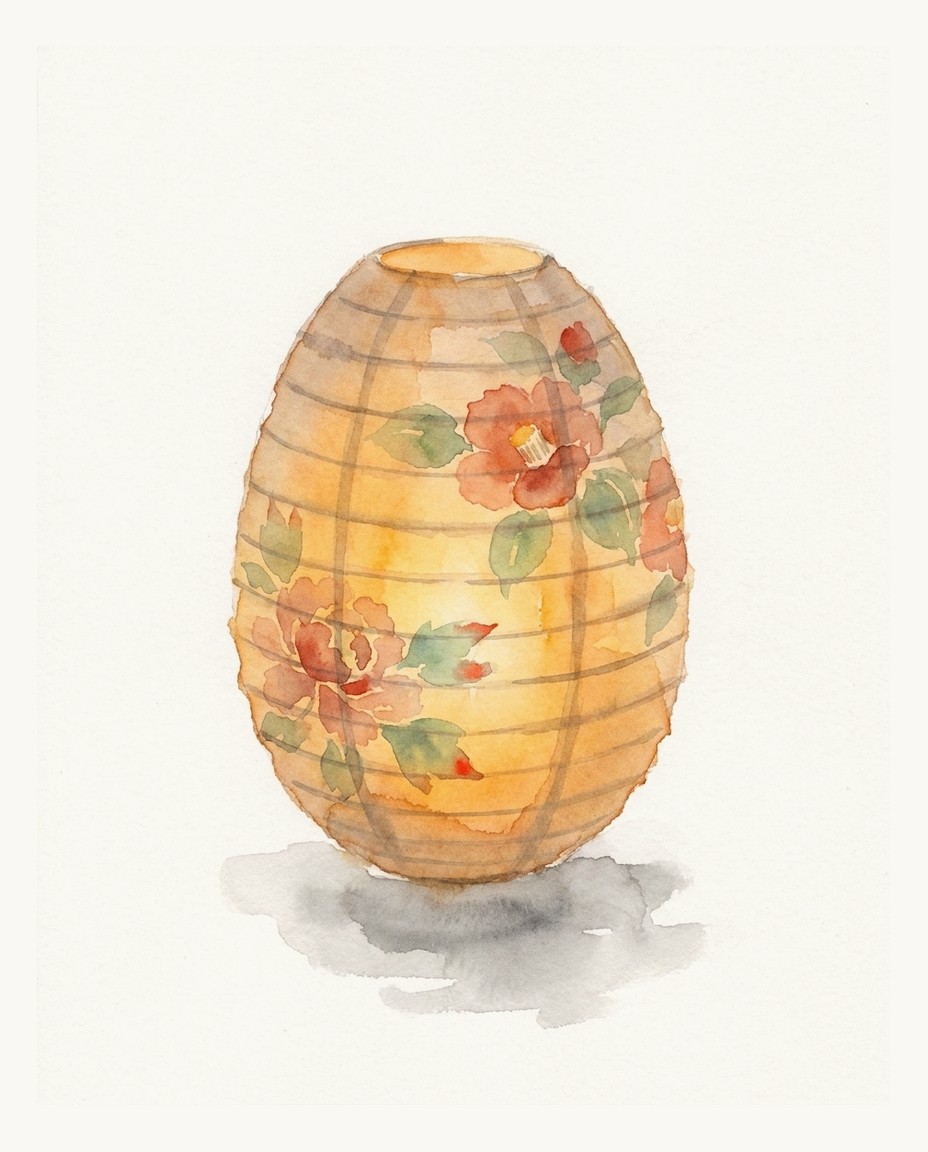
Yame chochin八女提灯
Bon lanterns from Yame, Fukuoka. A single continuous bamboo rib wound in a spiral, skinned with paper thin enough to glow, painted with flowers and birds.…
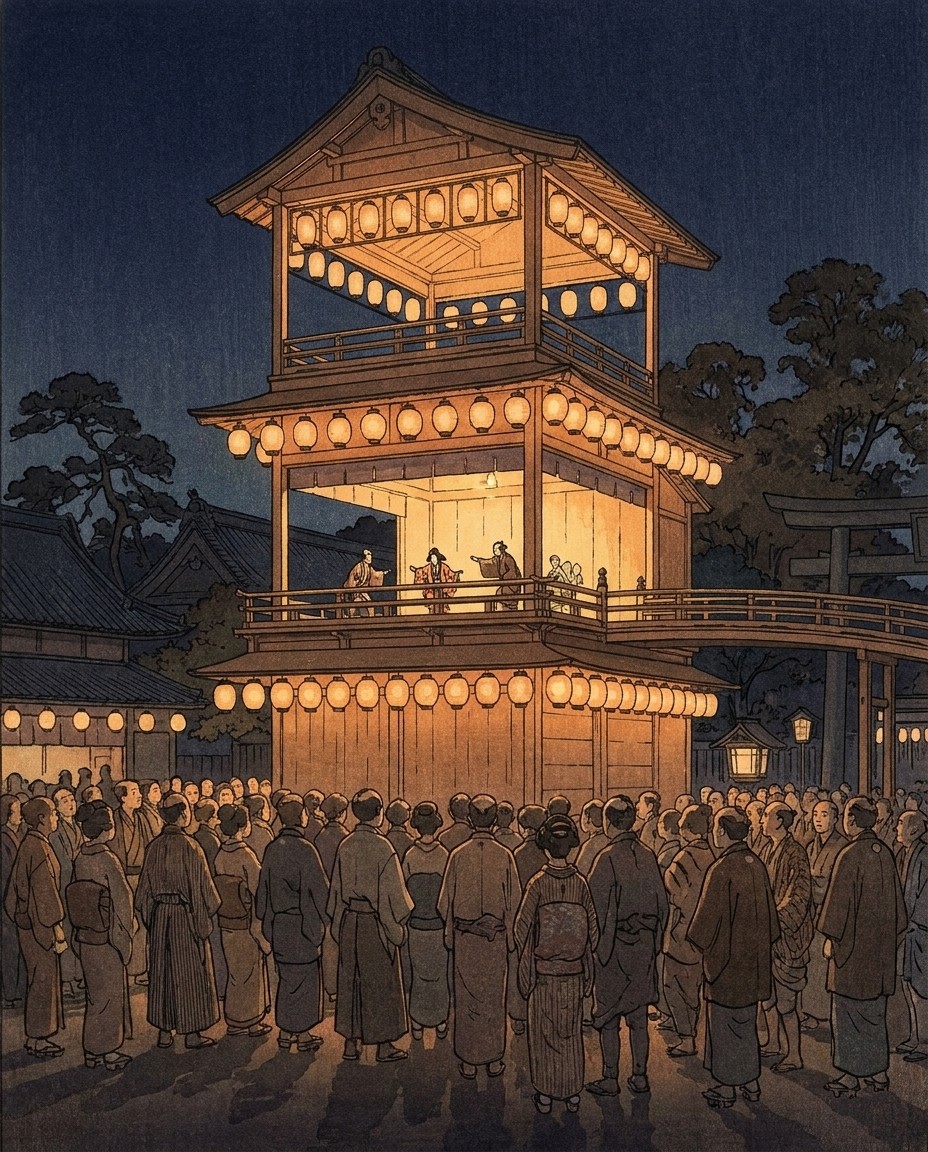
Yame-Fukushima Toro-ningyo八女福島の燈籠人形
Lantern puppet theatre held each September at Fukushima Hachiman Shrine since 1744. A nail-free three-tier stage; karakuri brought home from Osaka in 1771. National Important Intangible…
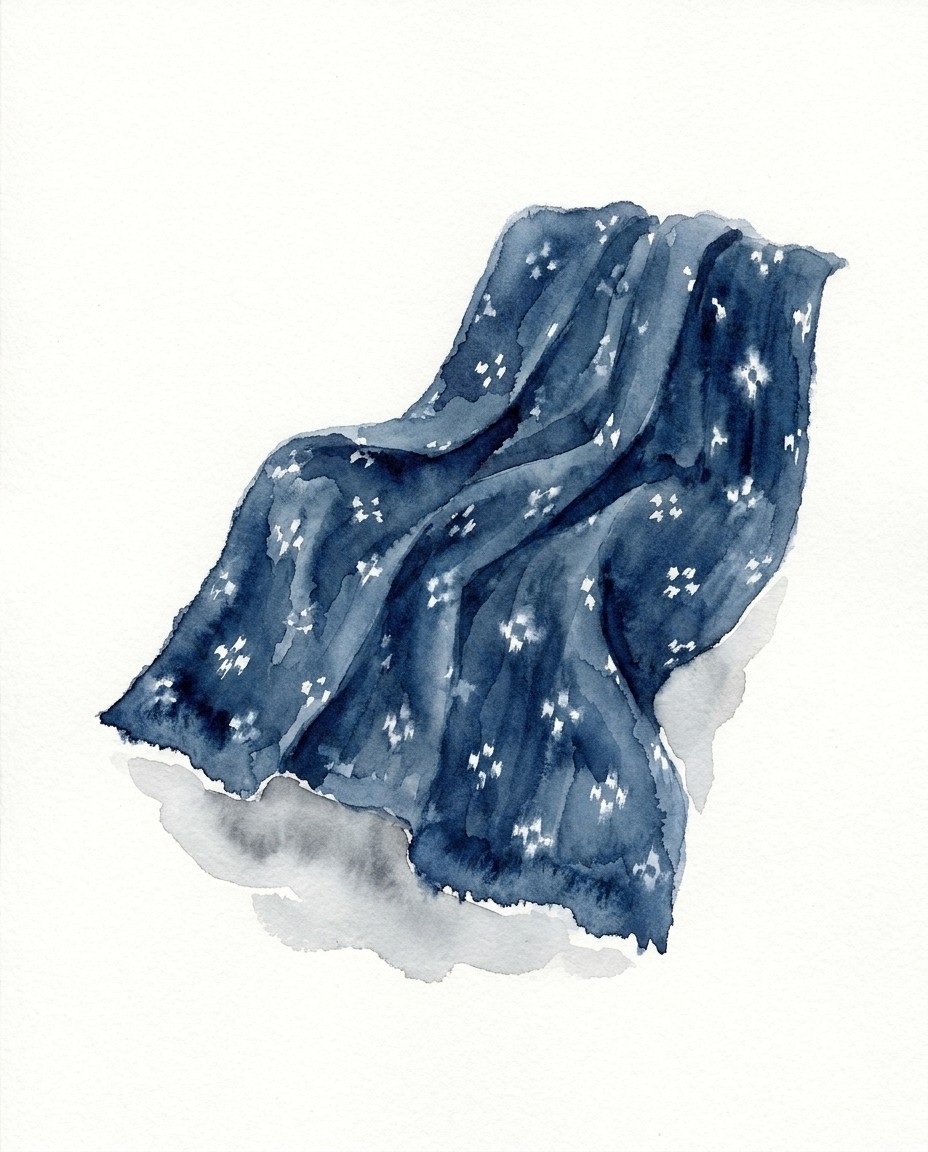
Kurume-gasuri久留米絣
Kurume-gasuri - hand-tied, Awa-indigo cotton ikat from the Chikugo plain in Fukuoka; a National Important Intangible Cultural Property and one of Japan's three great kasuri.
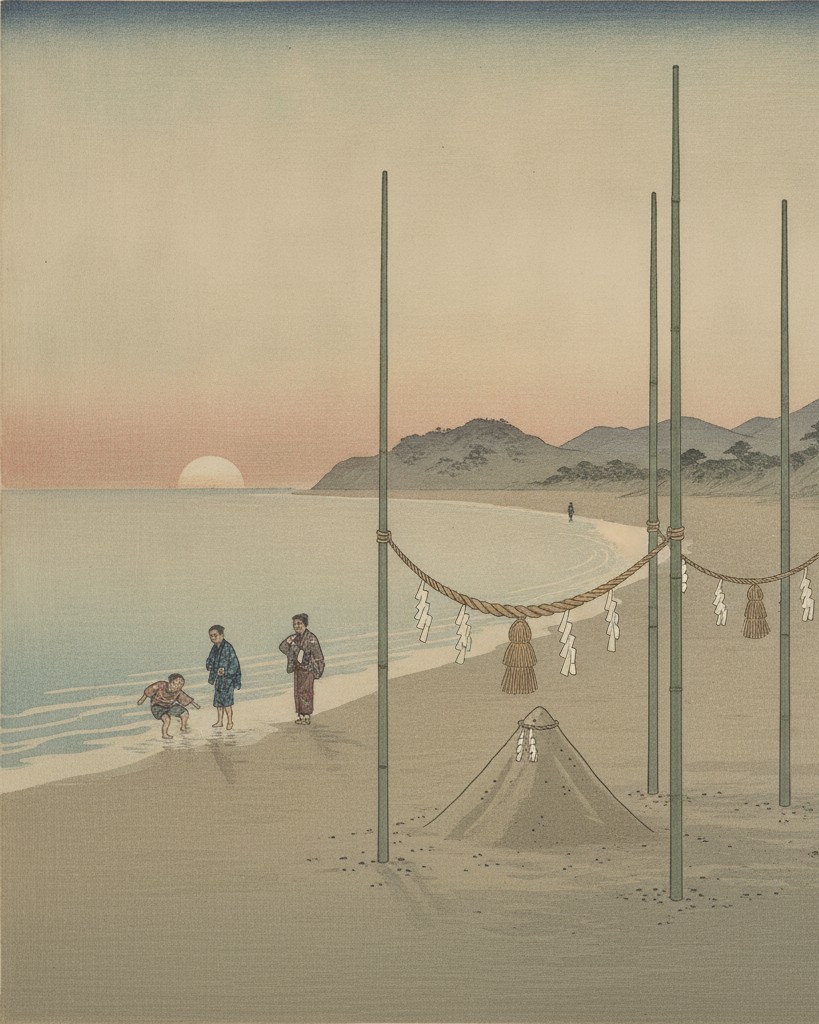
Fukae River Festival深江の川祭り
At dawn on July's first Sunday, the children of Fukae build a sand altar on the beach and pray to the dragon-king of waters for safety…
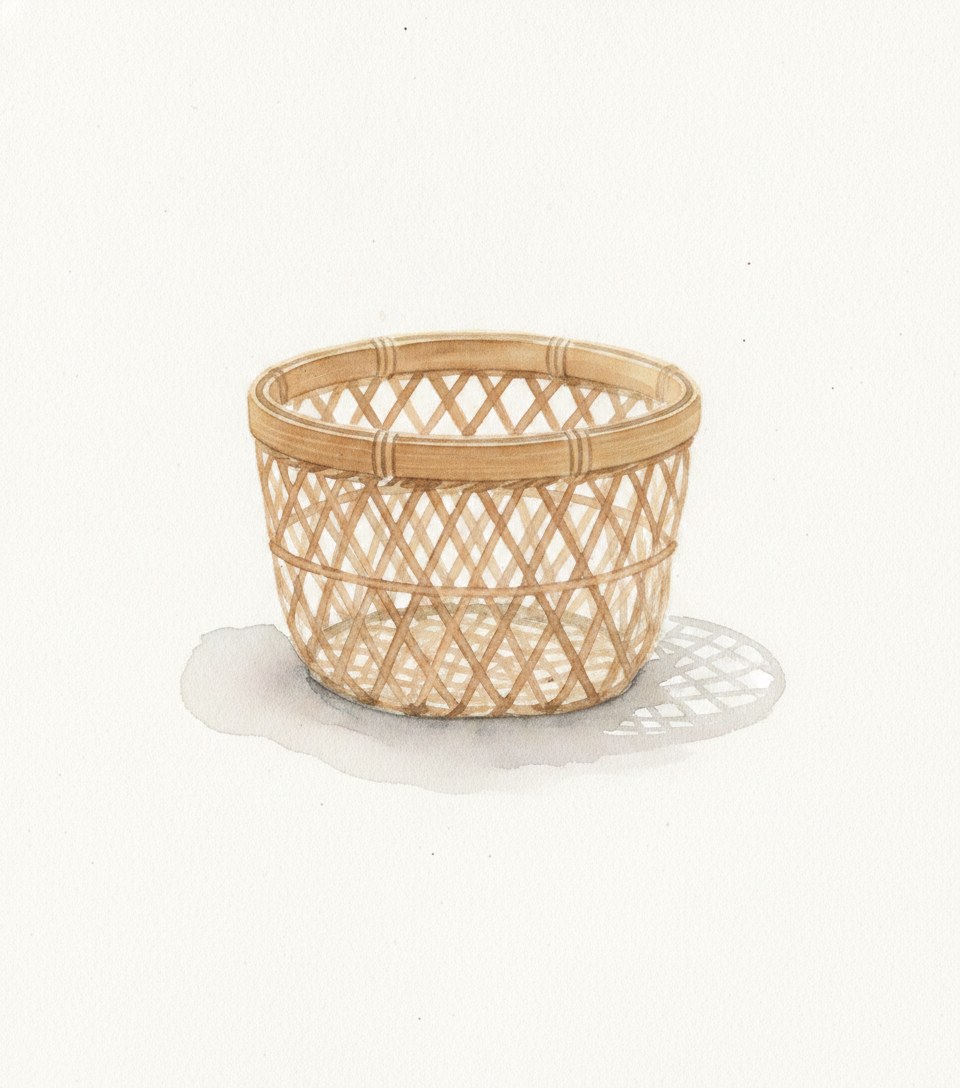
Beppu Bamboo別府竹細工
Hot-spring bamboo — madake woven by hand in Beppu, from bath-house baskets to a Living National Treasure of bamboo art; the only Traditional Craft in Ōita.
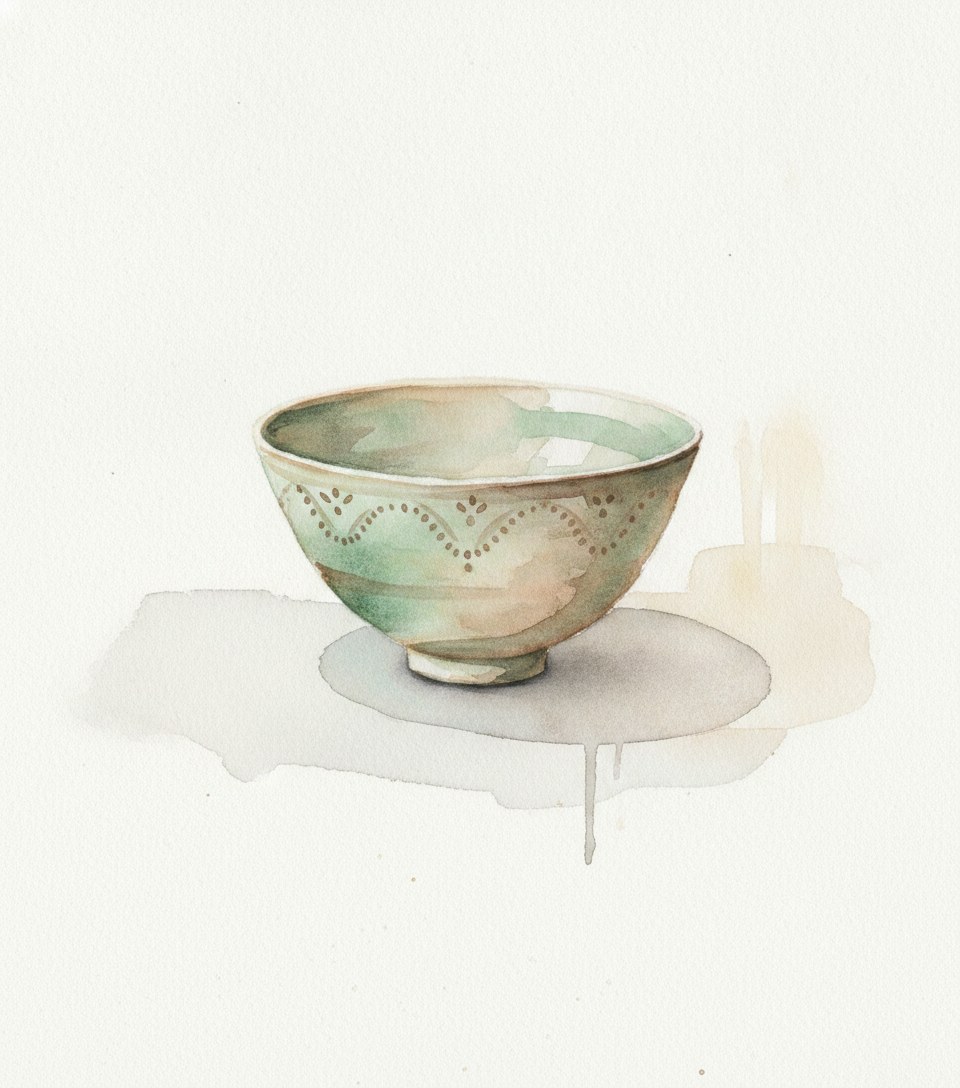
Onta Ware小鹿田焼
Made for the hand, not the shelf — iron-dark clay thrown since 1705 in one Kyūshū valley, never signed.
Every word is a door to the next.
Onta's clay leads to the river, the river to a hot spring, the spring to the table. The relations are the route.