NIPPON FOLK
Feature · Craft · Kyūshū

Onta Ware

小鹿田焼
Made for the hand, not the shelf — a valley that has thrown the same clay since 1705.
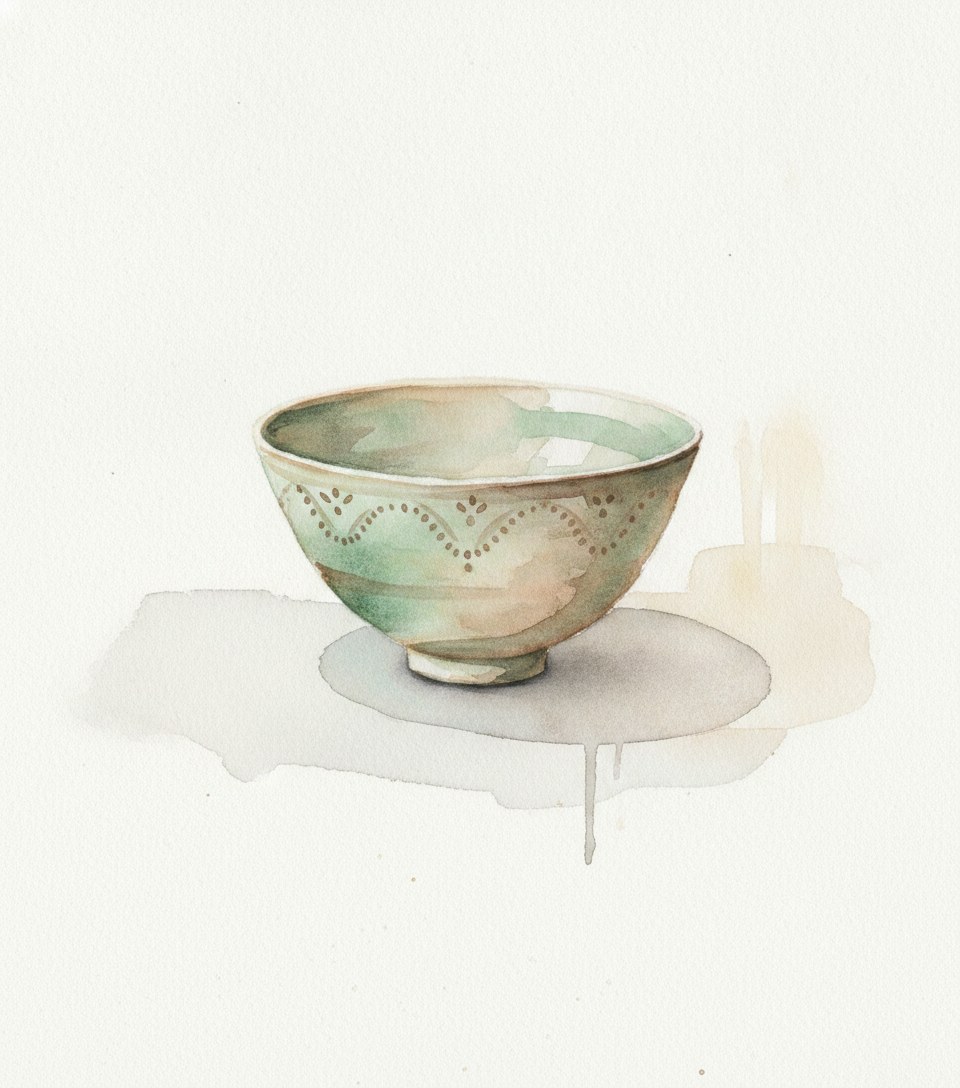
Onta ware bowl
A single bowl · iron-dark clay, tobikanna, poured glaze

There are no famous names here. Onta ware is passed from parent to child, kiln to kiln — families who never took outside apprentices, which is exactly why three-hundred-year-old techniques survive intact.

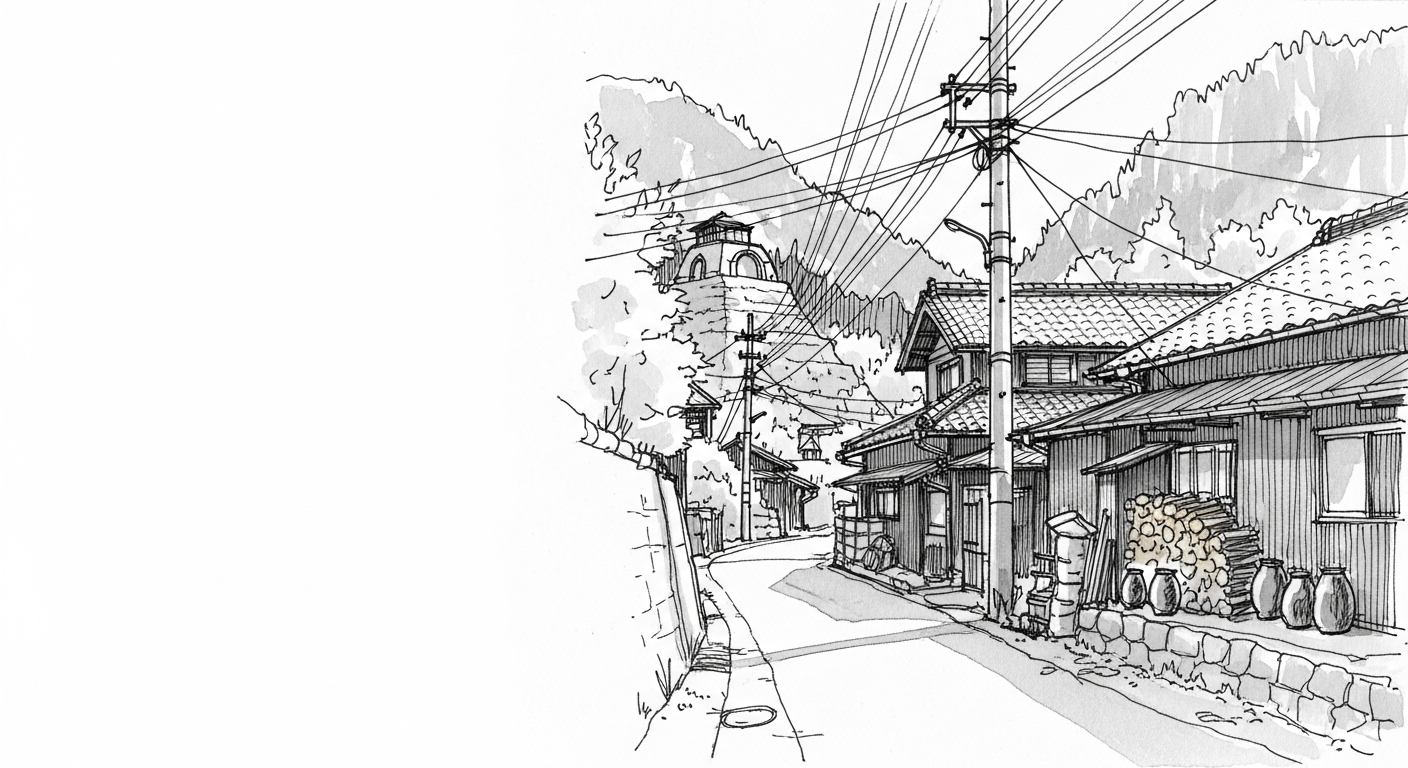
Deep in the cedar mountains above Hita, a single valley called Sarayama has made the same pottery since 1705. The clay is dug twice a year by the whole village, then crushed by karausu — wooden hammers driven by the river itself, thudding day and night. The sound is listed among the hundred soundscapes Japan means to keep.

The pattern is the tool’s own dance

On a kicked wheel the potter cuts rhythm into the wet clay with a sprung blade, drags a loaded brush, or pours glaze in ribbons. No pictures are painted. It was the folk-craft thinker Yanagi Sōetsu who walked these hills in 1931 and called Onta the finest folk pottery in the world; the English potter Bernard Leach stayed three weeks in 1954 and carried the technique back to the West.

Tobikanna chatter marks
The mark of the tool

Tobikanna

A sprung steel blade, held against the turning clay, chatters and jumps — leaving regular crescent skips around the wall. The “jumping plane.” No decoration is added; the rhythm is the decoration, and no two rows are quite the same.

飛び鉋 ・ 刷毛目 ・ 流し掛け
A potters' lane in Sarayama
Sarayama, the potters' valley · drawn from reference
1931

Yanagi Sōetsu walked the valley and named Onta the finest folk pottery in the world.

1954

Bernard Leach stayed three weeks and carried tobikanna back to the West.

Protected

Important Intangible Cultural Property, 1995 · cultural landscape, 2008.

Follow for the map ↗
Sources & further readingYanagi Sōetsu, “The Mountain of Plates at Hita” (1931) · Bernard Leach, A Potter in Japan (1954) · Hita City official tourism · Nakagawa-Masashichi Shōten craft journal · MLIT Kyūshū Regional Bureau. Important Intangible Cultural Property (1995) · Protected Cultural Landscape (2008).